
© All East Africa, all rights reserved
Kenya
Kenya Launches National Infrastructure Fund Amid Rising Debt Concerns

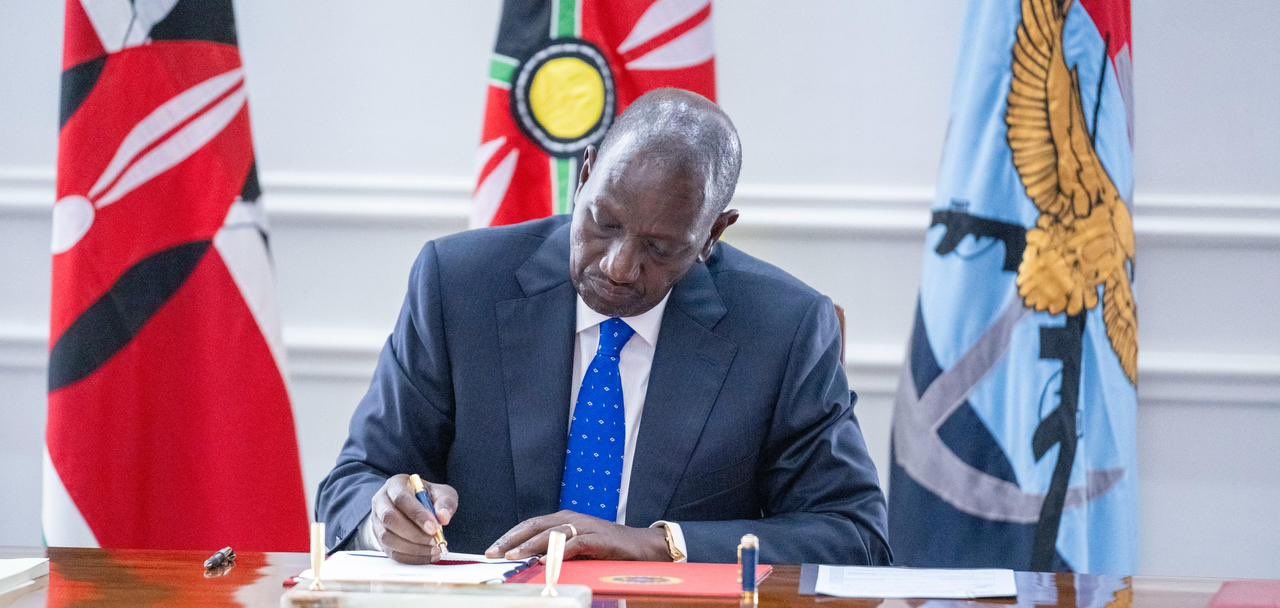
NAIROBI, Kenya– Kenya is accelerating its pivot to private sector-led infrastructure development as the government operationalizes the National Infrastructure Fund, a vehicle designed to attract institutional investment for highways, railways, and other public projects.
Treasury Cabinet Secretary John Mbadi oversaw the fund’s activation following parliamentary approval and President Ruto’s assent. The government argues that with national debt standing at Sh11 trillion, public-private partnerships (PPPs) are essential to maintain infrastructure development without overburdening state finances.
Critics, including opposition figures and civil society advocates, have warned that reliance on private investment could increase costs for citizens through tolls and service fees.
“Privatizing development is a double-edged sword. While it eases the debt burden, ordinary Kenyans may ultimately pay more for basic services,” said economist Dr. Peter Kimani.
Supporters argue that the fund will inject efficiency, transparency, and innovation into large-scale projects, potentially positioning Kenya as a regional model for hybrid financing approaches.

Continue Reading

MOMBASA – Seven East African nations signed a landmark pact on Thursday to establish a regional intelligence-sharing hub and a joint strike force to combat a “rapidly evolving” human trafficking crisis fueled by cyber-scam operations.
The agreement, finalized during a three-day summit in Mombasa organized by the United Nations Office on Drugs and Crime (UNODC), brings together Kenya, Ethiopia, Somalia, Tanzania, Uganda, Malawi, and Rwanda. The initiative targets the sophisticated networks that have increasingly moved from traditional domestic servitude to “cyber-enabled trafficking.”
“Traffickers are now operating at the speed of the internet, using digital recruitment to lure victims into online fraud factories,” Kenyan Interior Ministry spokesperson Alice Njeri said at the closing ceremony. “Our legal systems have been too fragmented to keep up. That ends today.”
A key provision of the “Mombasa Declaration” is the decriminalization of victims. Historically, many trafficked persons in East Africa—particularly those forced into sex work or online scams—have been treated as criminals by local law enforcement. The new framework mandates a “survivor-first” approach, focusing on repatriation and trauma-informed care rather than prosecution.
The summit’s location, just steps from the historic Fort Jesus—a site once central to the 16th-century slave trade—was chosen to highlight the historical weight of the issue. “Modern slavery is just as brutal as its predecessor, only more hidden,” said John Richmond, a former U.S. Ambassador to Combat Trafficking.
The regional strike force is expected to begin joint patrols and cross-border operations by June 2026, supported by technical expertise from the U.S. and the European Union.
© All East Africa, all rights reserved
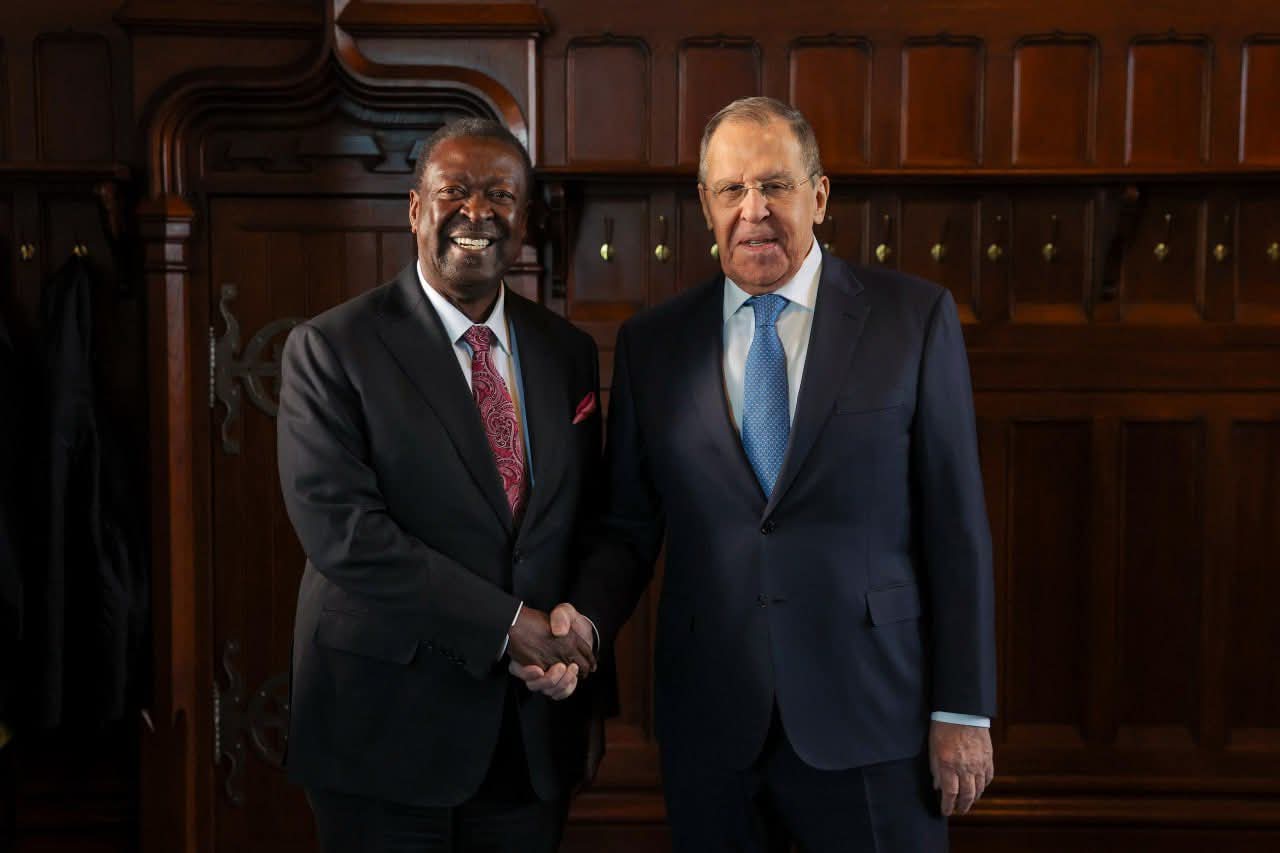
Nairobi — Russia has agreed to stop recruiting Kenyan citizens into its military operations in Ukraine, Kenyan Foreign Minister Musalia Mudavadi said on Monday after talks in Moscow with his Russian counterpart Sergey Lavrov.
Mudavadi said the agreement would end the enlistment of Kenyans through Russia’s defence structures, following mounting concern in Nairobi over reports that citizens had been drawn into the conflict under misleading circumstances.
“We have now agreed that Kenyans shall not be enlisted through the Russian Ministry of Defense,” Mudavadi told reporters on Tuesday.
“They will no longer be eligible to be enlisted. There will be no further enlisting.”
The talks come after a February report by Kenya’s National Intelligence Service (NIS) presented to parliament estimated that more than 1,000 Kenyans had been recruited — far higher than earlier official figures.
Recruitment concerns
According to the NIS findings, recruiters targeted Kenyans with promises of civilian jobs abroad, including roles as electricians, security guards and other skilled positions.
Some were reportedly approached through social media and private employment agencies, with offers of monthly salaries above $2,000 and signing bonuses of up to $6,000.
In one case cited by officials, Kenyan long-distance runner Evans Kibet was allegedly misled into signing a military contract after travelling to Russia for a marathon.
The intelligence report indicated that dozens of Kenyans were already on the front lines, while others had been wounded, gone missing or returned home.
At least one death has been confirmed, according to Kenyan authorities.
Diplomatic balancing act
Lavrov said at a joint press conference that any Kenyans serving in Russian forces had done so voluntarily and in accordance with Russian law, suggesting the issue stemmed from contractual misunderstandings rather than coercion.
Mudavadi, however, said the Kenyan government had faced sustained pressure from families who believe their relatives were misled into joining the conflict.
In response, Nairobi has revoked the licences of more than 600 employment agencies suspected of facilitating recruitment.
Consular access and repatriation
Mudavadi said the two sides had agreed to establish a framework to support Kenyans currently in Russia, including efforts to locate those listed as missing, provide access to wounded individuals in hospitals and assist those seeking to return home.
The arrangements will involve coordination between Kenyan diplomats and Russian authorities, particularly in cases where individuals wish to terminate their military contracts.
Broader implications
The issue of foreign recruits has extended beyond Kenya. Ukrainian estimates suggest that more than 1,700 individuals from dozens of African countries are involved in the conflict.
Kenya’s agreement with Russia could set a precedent for other African governments facing similar concerns, analysts say, as they seek to balance domestic pressure with maintaining diplomatic and economic ties with Moscow.
Mudavadi said Kenya aimed to ensure its broader relationship with Russia — including cooperation in sectors such as agriculture and energy — would not be overshadowed by the recruitment issue.
© All East Africa, all rights reserved
By Judy Maina
NAIROBI — East African policymakers and analysts are increasingly divided over the future of the U.S.-backed African Growth and Opportunity Act (AGOA), as the decades-old trade arrangement approaches its latest expiry deadline at the end of this year.
The debate intensified this week after remarks by Kenyan scholar Patrick Loch Otieno Lumumba, who described AGOA as a form of “economic neo-colonialism” that limits Africa’s industrial ambitions.
AGOA, introduced in 2000, grants eligible African countries duty-free access to U.S. markets for thousands of products. However, critics say the scheme’s unilateral nature, allowing Washington to revoke eligibility, creates uncertainty and undermines long-term investment.
“We are told this is an act of growth and opportunity, yet the opportunities are conditional,” Lumumba said at a regional symposium Tuesday.
“When countries assert independent policies, access can be withdrawn.”
Several countries, including Ethiopia, have in recent years lost eligibility over governance and human rights concerns, highlighting what some analysts describe as political risk embedded in the framework.
Limited gains, persistent barriers
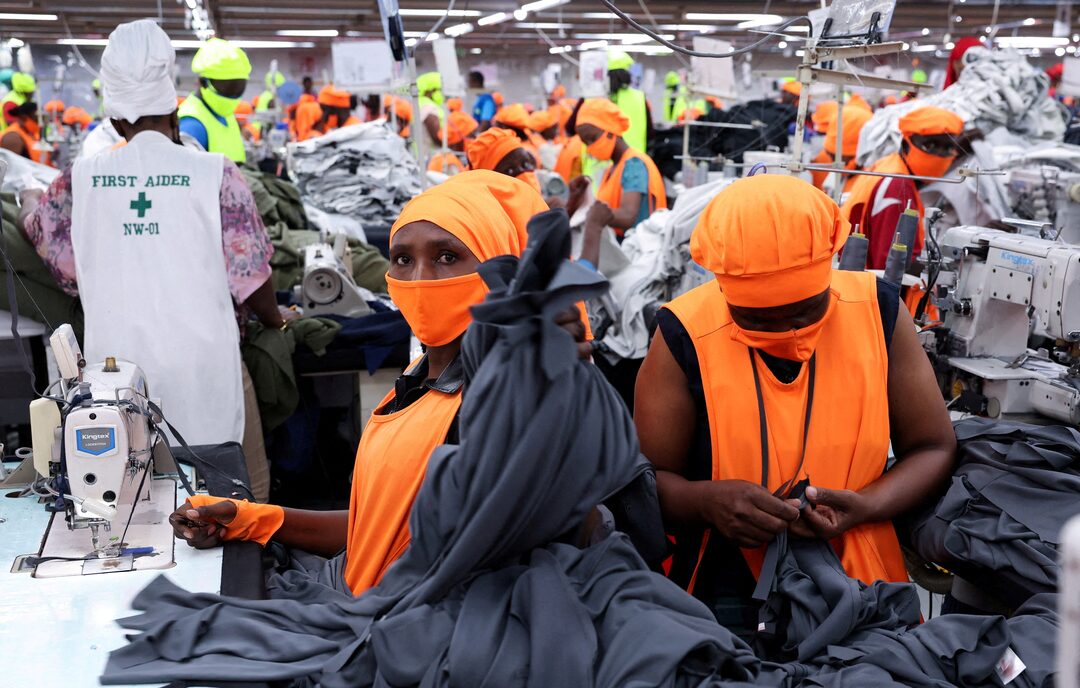
Despite more than two decades of preferential access, non-oil exports from sub-Saharan Africa to the United States remain concentrated in a handful of countries and sectors, including apparel and agriculture.
Economists say structural challenges — such as strict rules of origin and compliance standards, have limited broader participation, particularly for small and medium-sized enterprises.
“AGOA created pockets of success, but it has not fundamentally transformed industrial capacity,” said a Nairobi-based trade analyst.
Shift toward continental trade
Frustration with the program’s short-term extensions has accelerated interest in intra-African trade initiatives, particularly the African Continental Free Trade Area, which aims to create a single market across the continent.
In East Africa, governments are prioritizing regional value chains and manufacturing, seeking to reduce dependence on external markets.
“Intra-African trade remains low compared to other regions, but the direction of policy is shifting,” said another regional economist.
“There is growing emphasis on building supply chains within Africa.”
Uncertain outlook
The U.S. Congress has extended AGOA through Dec. 31, 2026, but officials and businesses say the short timeframe offers little certainty for investors considering large-scale industrial projects.
Some policymakers argue that a longer-term, rules-based agreement would provide greater stability, while others see the approaching deadline as an opportunity to accelerate economic integration within Africa.
As the deadline nears, governments in Nairobi and across the region face a strategic choice: continue reliance on preferential access to Western markets or invest more heavily in building a self-sustaining continental trade system.
“The question is no longer just about access to the U.S.,” said one regional policy adviser. “It is about defining Africa’s position in the global economy.”
© All East Africa, all rights reserved
-
 South Sudan2 weeks ago
IOM Warns of “Catastrophic” Service Collapse in South Sudan
-
Ethiopia2 weeks ago
East African Leaders Launch Joint Strike Force Against Human Trafficking
-
 Somalia3 weeks ago
Somalia Faces Legitimacy Crisis as 2026 Election Deadlock Deepens
-
 Tanzania2 weeks ago
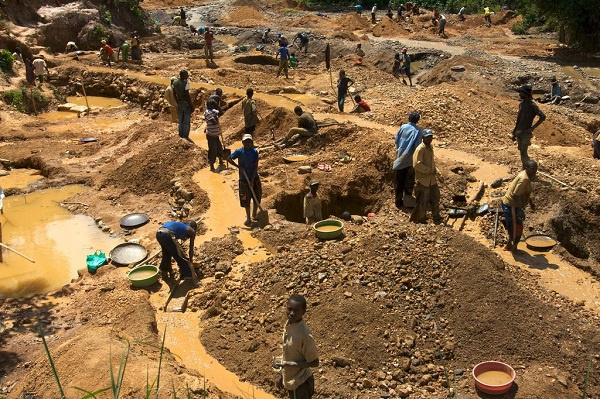
Tanzania Crackdown on “Shadow” Mining Hits Foreign Investors
-
Kenya3 weeks ago
Kenya says Russia Agrees to Halt Recruitment of Kenyans for Ukraine War
-
 Uganda3 weeks ago
UGANDA: Debt Servicing Costs Surge as Dollar-Denominated Obligations Mount
-
 Somalia2 weeks ago
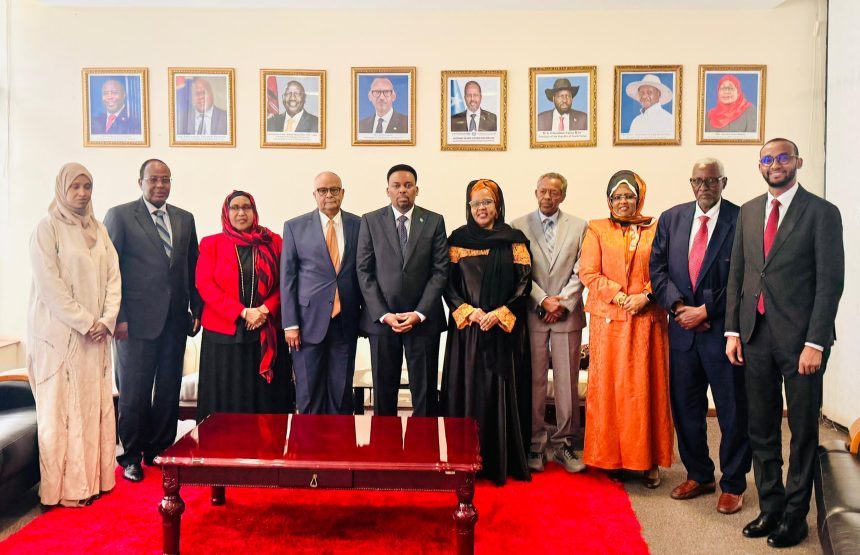
Somalia Lawmakers Take Seats in Arusha as EAC Integration Deepens
-
 South Sudan3 weeks ago
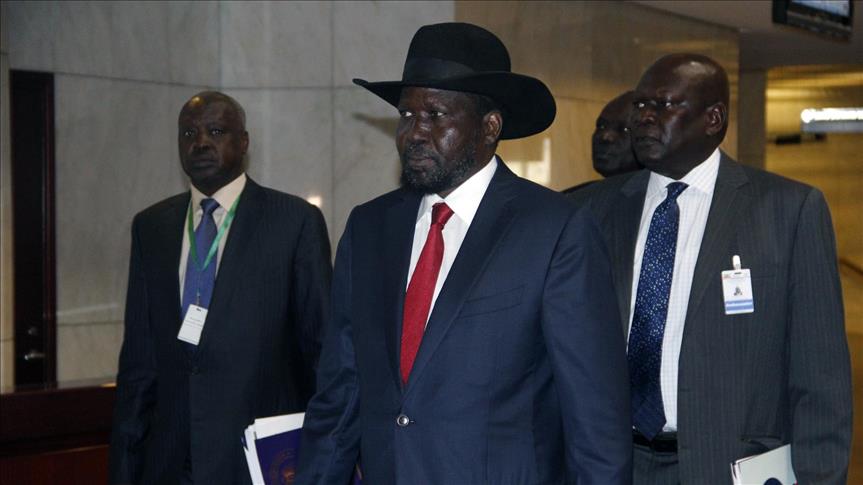
South Sudan Anti-Corruption Sweep Targets High-Ranking Financial Officials