









DODOMA— The future of U.S.-Tanzania relations faced intense scrutiny on Saturday as William Trachman, the nominee for U.S. Ambassador to Tanzania, outlined a vision that attempts to reconcile aggressive commercial competition with China against concerns over Tanzania’s democratic health.
During testimony before the U.S. Senate, Trachman faced pointed questions regarding “democratic backsliding” following the 2025 general elections. However, his responses, monitored by AEA in Dodoma and Dar es Salaam, highlighted a pragmatic shift in Washington’s approach to the East African nation.
“The United States must actively demonstrate that a partnership with Washington provides a more transparent and sustainable path for development compared to Beijing’s offerings,” Trachman told lawmakers.
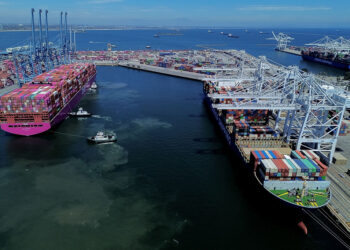
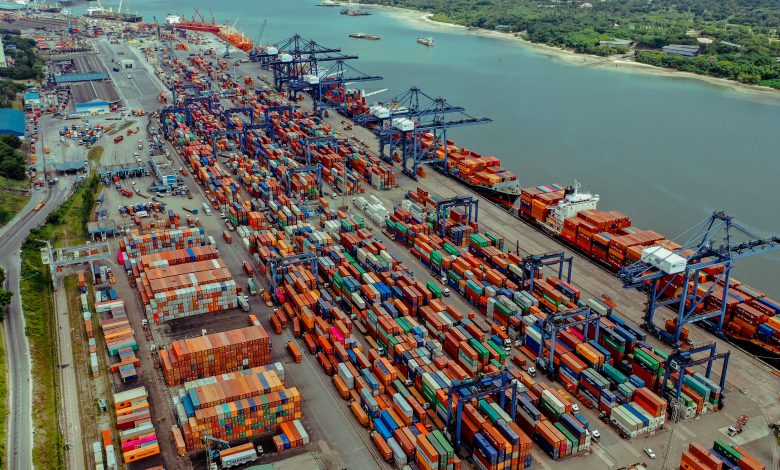
Tanzania has become a central theater for geopolitical influence, with China funding massive port expansions and railway projects. Trachman argued that American interests are best served by deepening security cooperation—specifically in counter-narcotics and maritime security along the Indian Ocean—while simultaneously advocating for the rule of law.
In Dar es Salaam, the business community welcomed the prospect of increased U.S. commercial engagement but remained wary of the “rights-based” conditions often attached to American aid. “We need investment that respects our sovereignty while helping us build modern infrastructure,” a member of the Tanzania Private Sector Foundation told AEA.
The nominee’s focus on “natural rights” and religious freedom comes at a time when local civil society groups have raised alarms over restricted civic space. Trachman promised that, if confirmed, he would engage directly with Tanzanian leaders to ensure that stability is not achieved at the expense of fundamental freedoms.
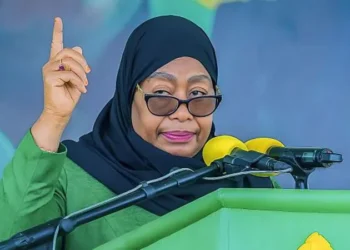
The diplomatic maneuvering occurs as Tanzania experiences a modest economic uptick, driven by revitalized tourism and mining exports. The Samia Suluhu Hassan administration has signaled an openness to Western capital, though the shadow of the 2025 electoral cycle continues to color international perceptions of the country’s stability.