











Bujumbura — Burundi is facing worsening economic pressure despite renewed international donor engagement, with new economic assessments released on Saturday showing inflation climbing above 35% while external debt has surpassed 80% of gross domestic product.
Rising living costs and persistent fuel shortages have sharply increased the price of staple foods, pushing many households deeper into economic hardship as purchasing power continues to erode across both urban and rural communities. Analysts say high import costs and foreign currency shortages have further strained domestic markets.
Although the easing of sanctions by the United States and United Kingdom in recent years raised expectations of gradual recovery, Burundi remains heavily reliant on external assistance to sustain public services and stabilize state finances.
The economic challenges have been compounded by continued tensions along Burundi’s northern frontier with Rwanda, where border crossings remain largely closed amid ongoing security concerns. Officials have defended the restrictions as necessary to prevent external interference, but traders and transport operators say the prolonged closure has severely disrupted cross-border commerce.
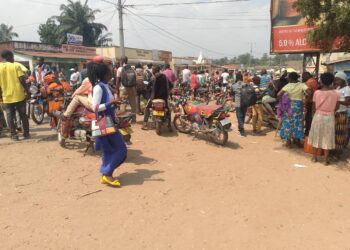
Local merchants and farmers, many of whom depend on informal regional trade, have seen incomes decline sharply as transport routes and supply chains remain constrained. Economists warn that reduced regional trade activity is adding further pressure to food prices and employment levels.
Regional analysts say Burundi’s immediate stability now depends less on security operations than on whether authorities can contain the economic crisis through fiscal reforms and improved relations with neighboring states.
“The economy is the primary battlefield for Burundi right now,” one regional analyst said. “Without structural reform and reduced border tensions, dependence on foreign assistance is likely to deepen further.”
International donors have recently broadened humanitarian and development support programs, though analysts say much of the assistance is aimed at preventing deeper instability in the wider Great Lakes region rather than signaling confidence in Burundi’s economic direction.