










ADDIS ABABA – Ethiopia’s national movement to boost domestic manufacturing is successfully reshaping the country’s economic landscape by resolving structural bottlenecks, the Prime Minister’s Office (PMO) said on Monday.
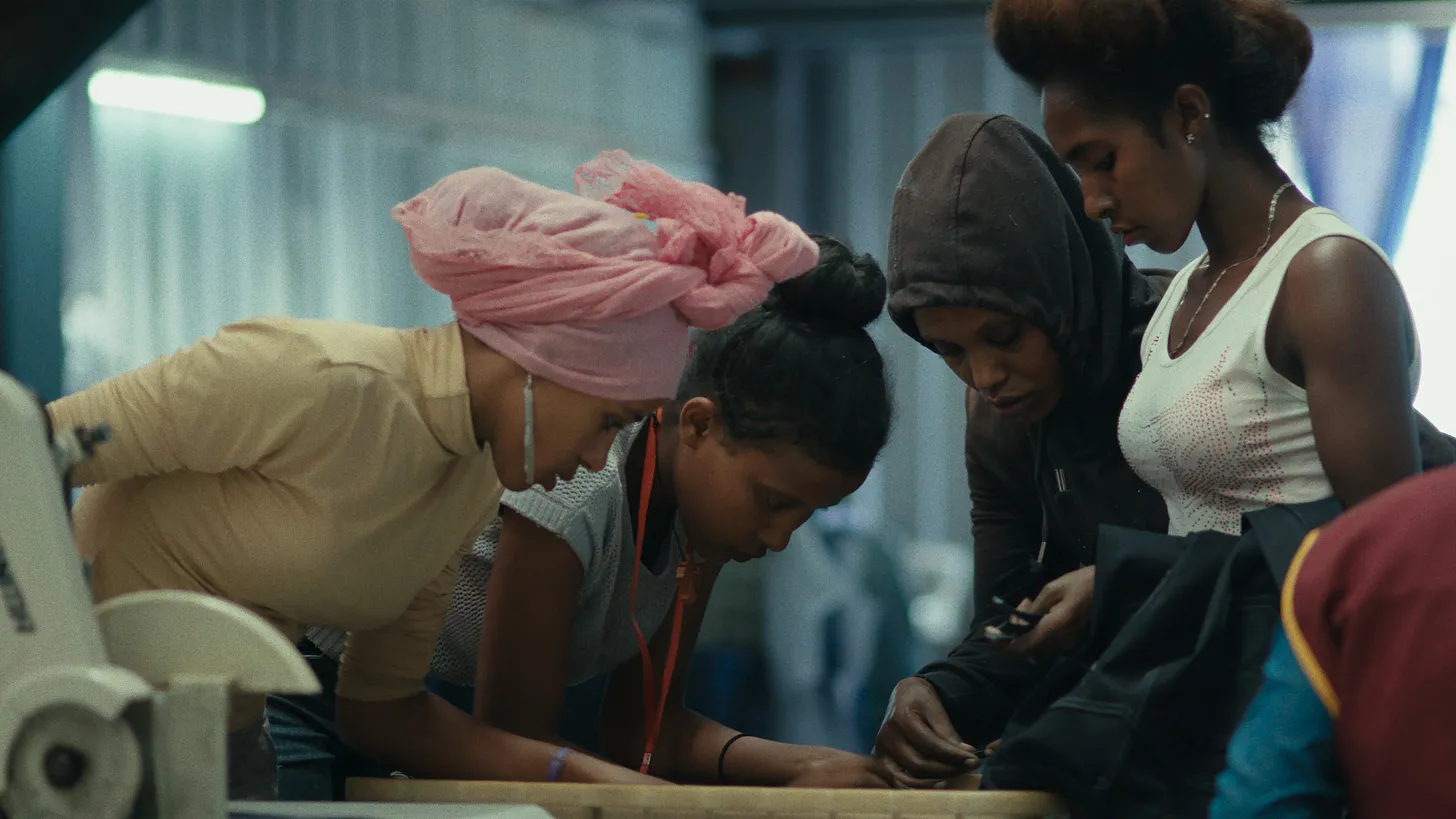
According to a PMO newsletter, the “Made in Ethiopia” initiative has facilitated the revival of 993 previously closed factories and the establishment of over 18,000 small and medium industries over the last four years.
The government highlighted a surge in raw material supply—increasing from 29 million to 76 million tons—as evidence of a deepening industrial base.
“This progress is reinforced by monumental infrastructure investments, including the commissioning of 3.4 GW of electric power for new investments,” the PMO stated.
The report comes as the 2026 Made in Ethiopia Expo opens its doors, featuring a record number of foreign participants and technology integrators.
The Abiy Ahmed administration has hinged its “Homegrown Economic Reform” on turning Ethiopia into a manufacturing powerhouse, leveraging its large labor pool and subsidized electricity from the Grand Ethiopian Renaissance Dam (GERD).
Despite the upbeat report, the manufacturing sector faces headwinds from foreign exchange shortages and lingering instability in parts of the country. Nonetheless, the government’s data suggests that the sector has attracted over 2,800 new investments, signaling continued investor interest in Ethiopia’s long-term industrial potential.