










BUJUMBURA (AEA) – Burundi is facing a deepening humanitarian crisis as a combination of chronic fuel shortages, high global prices, and a surge in returning refugees has pushed several regions into a “Stressed” food security status, according to a report released on Friday.
The ReliefWeb update for May 2026 warns that poor households in the Eastern and Northern Lowlands are becoming “atypically market-dependent” due to below-average harvests.
A dry spell in late March damaged bean crops—a staple of the Burundian diet—leading to notable losses just as the lean season approaches.
The situation is compounded by the closure of the border with Rwanda and ongoing conflict in the eastern Democratic Republic of Congo (DRC).
“Increased labor competition from refugees and returning Burundians is depressing wages just as food prices are soaring,” said a local economist in Bujumbura.
The fuel crisis, now in its third year, shows no signs of abating.
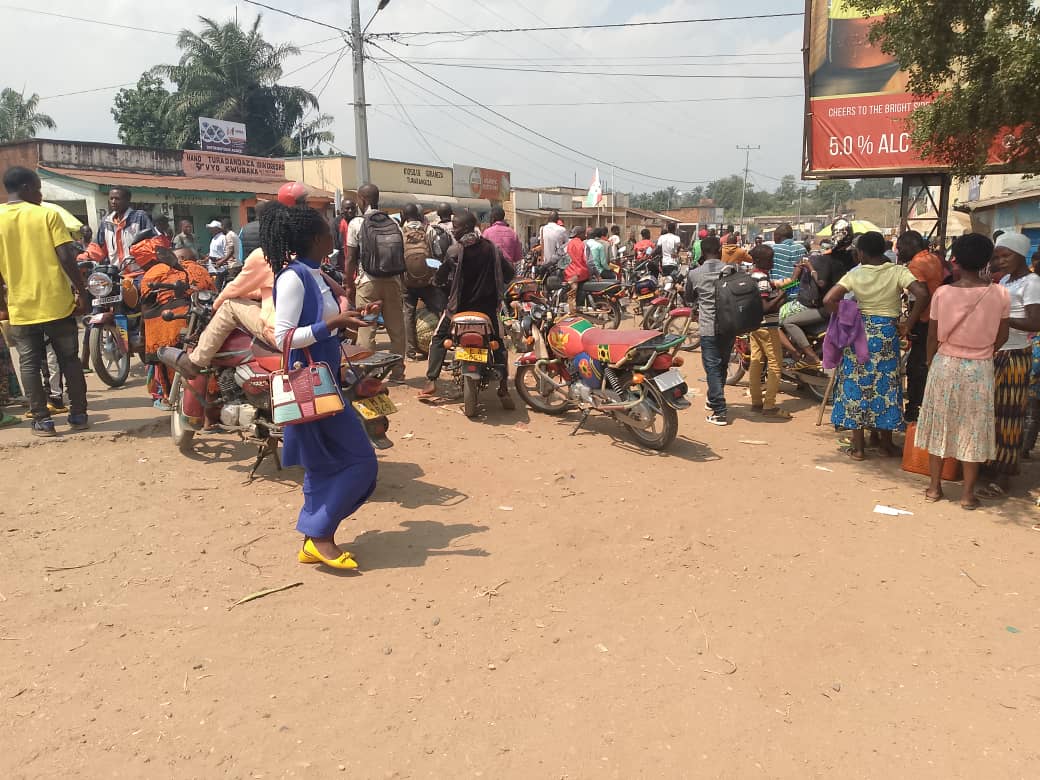
AEA observed that transportation costs have tripled in some provinces, making it nearly impossible for farmers to bring their surplus produce to urban markets. This has created a paradoxical situation where food is available in some rural areas but unaffordable in the cities.
Humanitarian partners are struggling to fill the gap. The UN’s Office for the Coordination of Humanitarian Affairs (OCHA) reported that the 2026 Response Plan is severely underfunded, with the food security sector receiving only a fraction of the $97 million required.
In a move to bolster long-term resilience, the government announced a new “multi-hazard early warning system” on Friday. The system is designed to provide threshold-based anticipatory action for floods and landslides, which have become increasingly frequent due to climate change in the Lake Tanganyika basin.