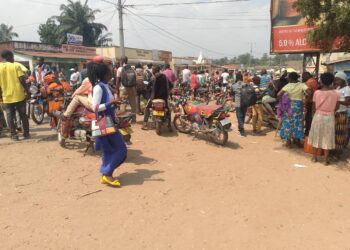











BUJUMBURA — Health authorities in Burundi, supported by the World Health Organization (WHO), are intensifying investigations into an undiagnosed illness that has claimed lives in the northern Mpanda district.
On Monday, laboratory officials confirmed that while Ebola and Marburg have been ruled out, the cause of the “hemorrhagic-like” symptoms remains unknown.
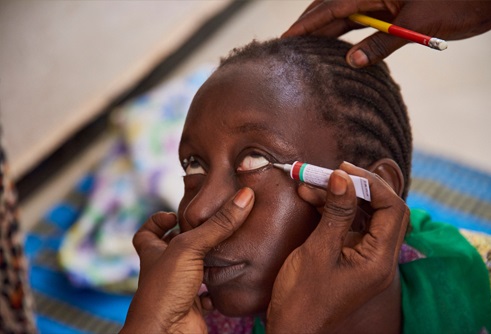
The outbreak, which began in late March, has seen symptoms ranging from fever and vomiting to blood in the urine. “Outbreaks of non-specific febrile illness are common, but the severity here requires a meticulous response,” a WHO representative stated.
Samples are currently being screened for rarer arboviruses and bacterial infections like septicaemia.
Despite the health scare, Burundi’s political machinery remains focused on regional alliances. A high-level delegation from the ruling CNDD-FDD party, led by Secretary-General Reverien Ndikuriyo, arrived in Uganda today for President Museveni’s inauguration.
“The NRM and CNDD-FDD have a shared history of struggle,” Ndikuriyo told reporters upon arrival at Entebbe. “We are here to celebrate a victory for revolutionary parties in East Africa.”
The dual focus on domestic health crises and regional political solidarity defines the current administration’s agenda. President Évariste Ndayishimiye has recently pushed for greater integration into the East African Community (EAC) to boost Burundi’s struggling economy, which continues to face high inflation and a shortage of foreign exchange reserves.