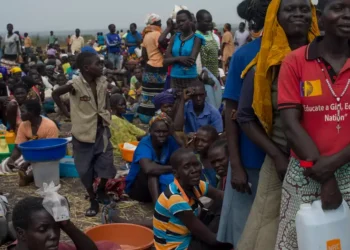











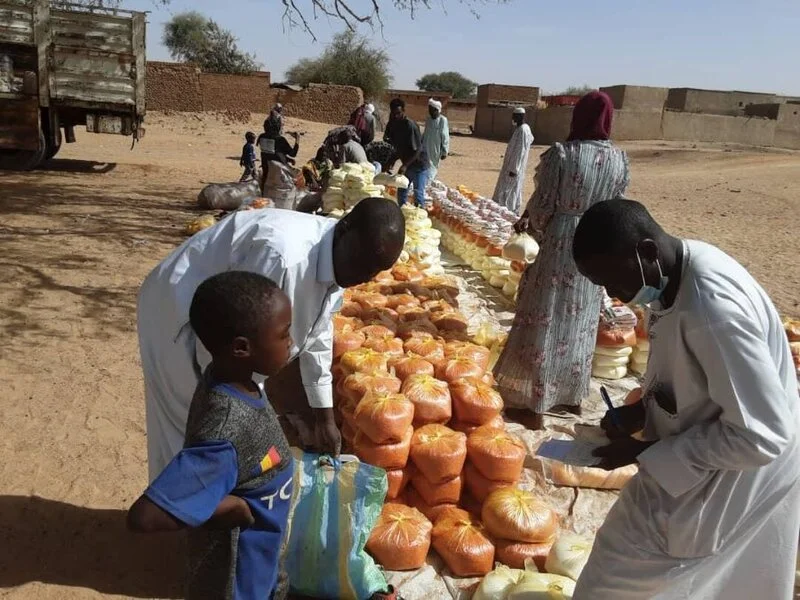
JUBA – More than half of South Sudan’s population is facing severe food insecurity, humanitarian agencies warned on Monday, as conflict and climate shocks push the world’s youngest nation toward a breaking point.
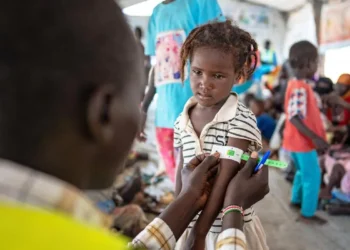
The latest Integrated Food Security Phase Classification (IPC) analysis indicates that 7.8 million people are projected to reach “crisis” or worse levels of hunger between April and July 2026. This includes tens of thousands of children suffering from life-threatening malnutrition.
“No child should go hungry. Yet today, millions are suffering because of conflict and instability,” said Mesfin Loha, Country Director for World Vision South Sudan.
“Ending hunger requires more than food aid. It demands peace, protection, and collaboration.”
The crisis is being exacerbated by an influx of refugees fleeing the war in neighboring Sudan, which has strained already meager resources in South Sudan’s northern border regions.
Persistent communal violence and the lingering effects of historic flooding have further disrupted local farming cycles.
Aid organizations are calling for an immediate ceasefire and a surge in international funding, noting that current humanitarian appeals are significantly underfunded.
Without a massive intervention, Juba faces the prospect of widespread famine in the coming months.