










NAIROBI (AEA) – Kenya’s burgeoning reputation as a continental leader in climate finance faced a dual narrative on Thursday, as the sudden shuttering of a major clean-cooking pioneer clashed with the aggressive expansion of state-led grassroots environmental funding.
The Nairobi-based startup KOKO, which had become a global poster child for ethanol-based clean cooking and carbon credit monetization, announced it was halting operations following a protracted dispute over carbon revenue sharing and regulatory hurdles.
The exit of such a high-profile player has sent shockwaves through the East African tech hub, raising urgent questions about the stability of the voluntary carbon markets that many African nations are banking on to fund their “green” transitions.
Industry analysts noted that the KOKO closure highlights a growing friction between private innovators and state regulators over who captures the value of carbon offsets.
“It is a cautionary tale,” said Grace Mutua, a Nairobi-based energy analyst. “We are seeing the growing pains of an industry where the rules are being written as we fly the plane.”
Simultaneously, the Kenyan government moved to shore up its environmental credentials by announcing a massive scale-up of the Financing Locally-Led Climate Action (FLLoCA) program.
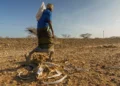
According to state officials, the program has now surpassed 2,400 active projects across 47 counties, focusing on drought-resistant agriculture and water conservation.
The expansion of FLLoCA is seen as President William Ruto’s effort to ensure climate benefits reach the “hustlers”—the low-income citizens who form his primary political base—rather than remaining siloed in corporate boardrooms.
“While the KOKO exit is a blow to the tech sector, the government is signaling that the ‘green’ economy must be decentralized,” Mutua added.
“The challenge for Kenya in 2026 is balancing these large-scale private investments with public trust and transparent carbon accounting.”
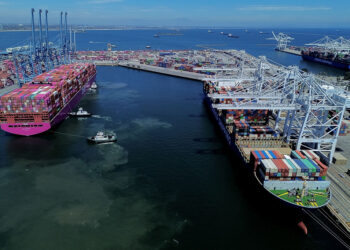
The news comes as Kenya continues to lose market share in traditional agricultural exports. Recent data shows Morocco has surpassed Kenya in avocado exports to Europe, largely due to shipping disruptions in the Red Sea which have disproportionately affected East African trade routes.
The convergence of these economic pressures—carbon market volatility, grassroots climate spending, and shifting trade dynamics—presents a complex landscape for the region’s largest economy as it navigates the mid-point of 2026.