










KAMPALA (AEA) – Uganda issued a stern call for “fair competition” protections on Thursday, warning that the rapid liberalization of Africa’s aviation market could lead to the predatory erasure of smaller national carriers by regional giants.
Speaking at a regional aviation summit in Entebbe, Ugandan transport officials advocated for a phased implementation of the Single African Air Transport Market (SAATM).
While the African Union initiative aims to lower fares and boost connectivity by creating a unified sky, Kampala remains wary of the dominance of established players like Ethiopian Airlines and Kenya Airways.
“Liberalization should not be a license for the big to swallow the small,” said a senior official from the Ministry of Works and Transport, speaking to AEA on condition of anonymity.
“For SAATM to work, there must be a level playing field that respects the strategic importance of national flag carriers in developing domestic tourism and trade.”
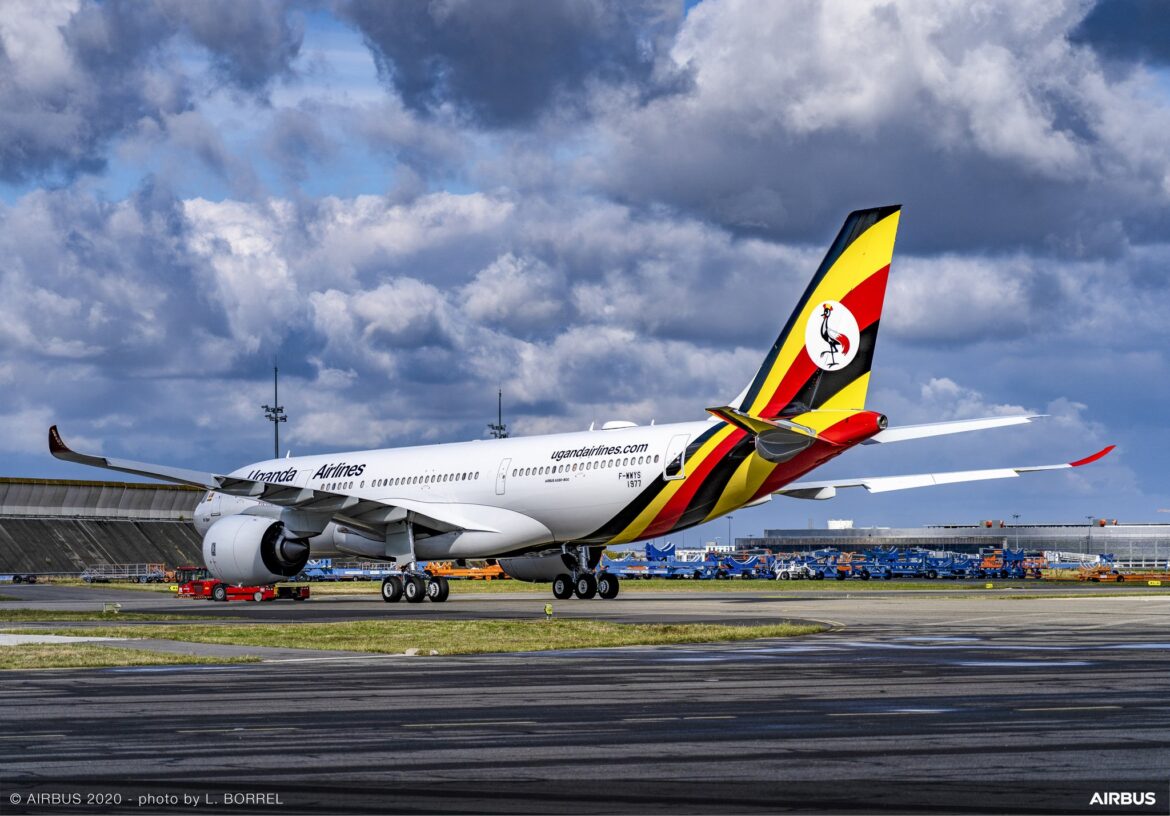
The timing is critical for Uganda Airlines, which has been aggressively expanding its fleet and routes to include Mumbai and London over the past year.
Analysts suggest that without competition safeguards, the carrier could struggle to maintain its nascent market share against the economies of scale enjoyed by older, state-subsidized rivals.
The debate over “Open Skies” comes against a backdrop of a global jet fuel crisis that is reshaping capacity and pricing ahead of the 2026 Northern Hemisphere summer.
High operational costs are already squeezing margins for African airlines, making the push for regional integration both more urgent and more perilous.
“Uganda is in a delicate position,” said aviation consultant Michael Otieno. “They want the benefits of a connected Africa, but they cannot afford to let their multi-million dollar investment in a national airline become a casualty of a free-market experiment.”
The Ugandan delegation proposed a “Competition Oversight Committee” within the SAATM framework to monitor route dumping and predatory pricing.
As African nations race toward the 2030 goals of the AU’s Agenda 2063, the friction in Kampala reflects a broader continental struggle: how to integrate without sacrificing national economic sovereignty.