










DODOMA — Tanzania has recorded a significant breakthrough in its fight against malaria, with infection rates among children under five dropping nearly 30% over the last three years.
Health Minister Mohamed Mchengerwa presented the findings to Parliament on Monday while outlining the ministry’s budget estimates for the 2026/2027 fiscal year.
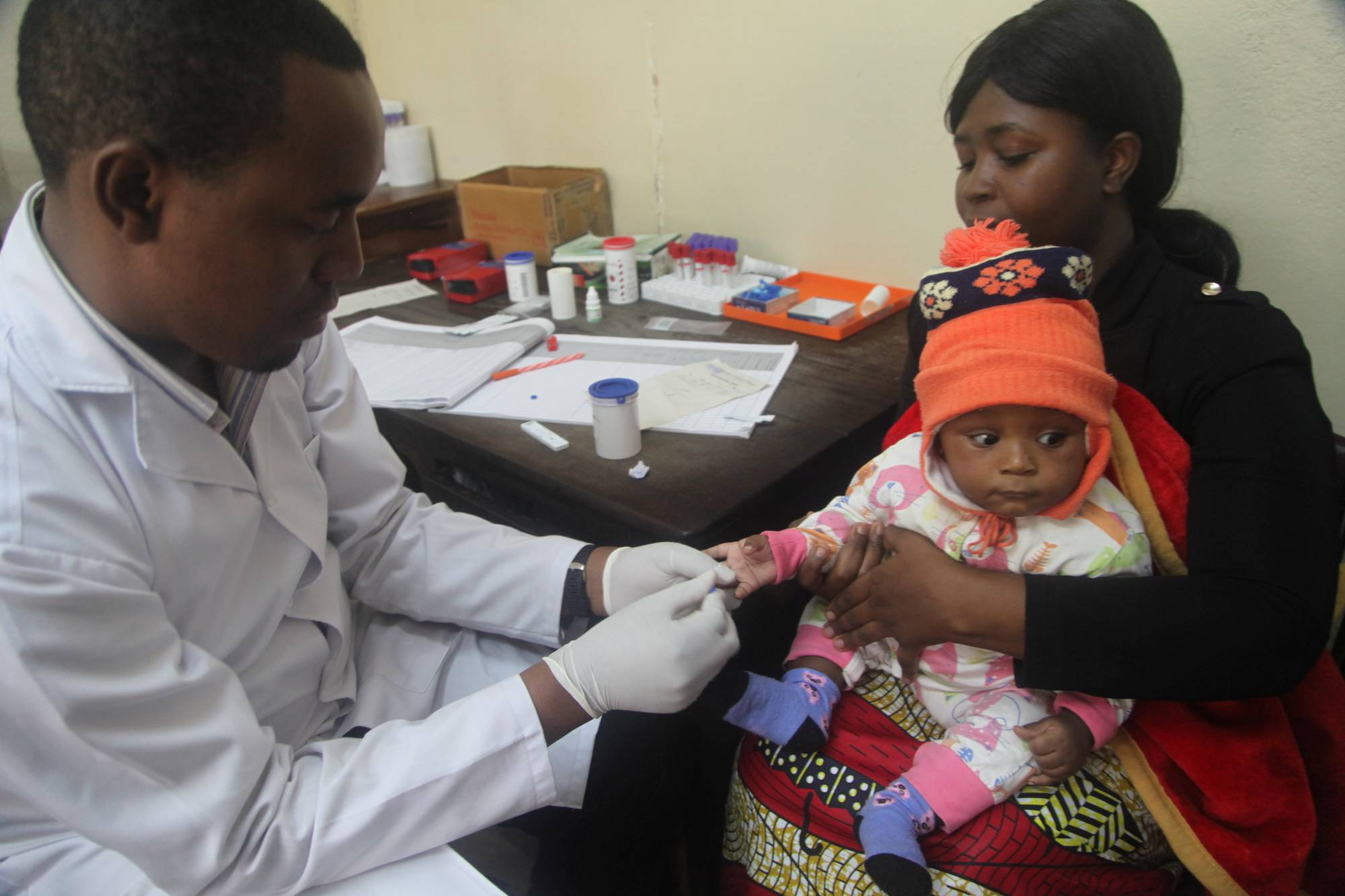
Data from a nationwide survey of all 184 local councils showed that malaria prevalence among children under five fell from 8.1% in 2022 to 5.5% in 2025. The minister credited the decline to intensified distribution of insecticide-treated nets and the rollout of rapid diagnostic testing in rural clinics.
“This is not just a statistic; it represents thousands of lives saved,” Mchengerwa told lawmakers.
“However, malaria remains a formidable foe for pregnant women and our youngest citizens, and we cannot afford complacency.”
The government’s 2026/2027 health budget focuses heavily on sustaining these gains through the procurement of Artemether-lumefantrine (ALu) and expanding primary school screening programs.
On the economic front, Tanzania is strengthening its “energy diplomacy.” Officials in Dodoma today lauded the progress of regional connectivity projects with Ethiopia.
Tanzanian energy experts commended Ethiopia’s expanding infrastructure, noting that it will play a pivotal role in the East African Power Pool, eventually lowering electricity costs for Tanzanian manufacturers.
Meanwhile, in the business sector, interest is growing in the coastal city of Mombasa—traditionally Kenya’s domain—as Nigerian billionaire Aliko Dangote reportedly eyes the region for a multi-billion dollar oil refinery project that could shift the petrochemical balance of power in East Africa.