










JUBA (AEA) — The South Sudanese government on Thursday issued a sharp rebuke of new U.S. sanctions and visa restrictions, labeling the move “counterproductive” and a threat to the country’s fragile transition toward its first-ever national elections in late 2026.
The U.S. State Department recently imposed sanctions on several high-ranking officials and the private entity Crawford Capital Ltd, alleging the misappropriation of state funds intended for the implementation of the 2018 Revitalised Peace Agreement.
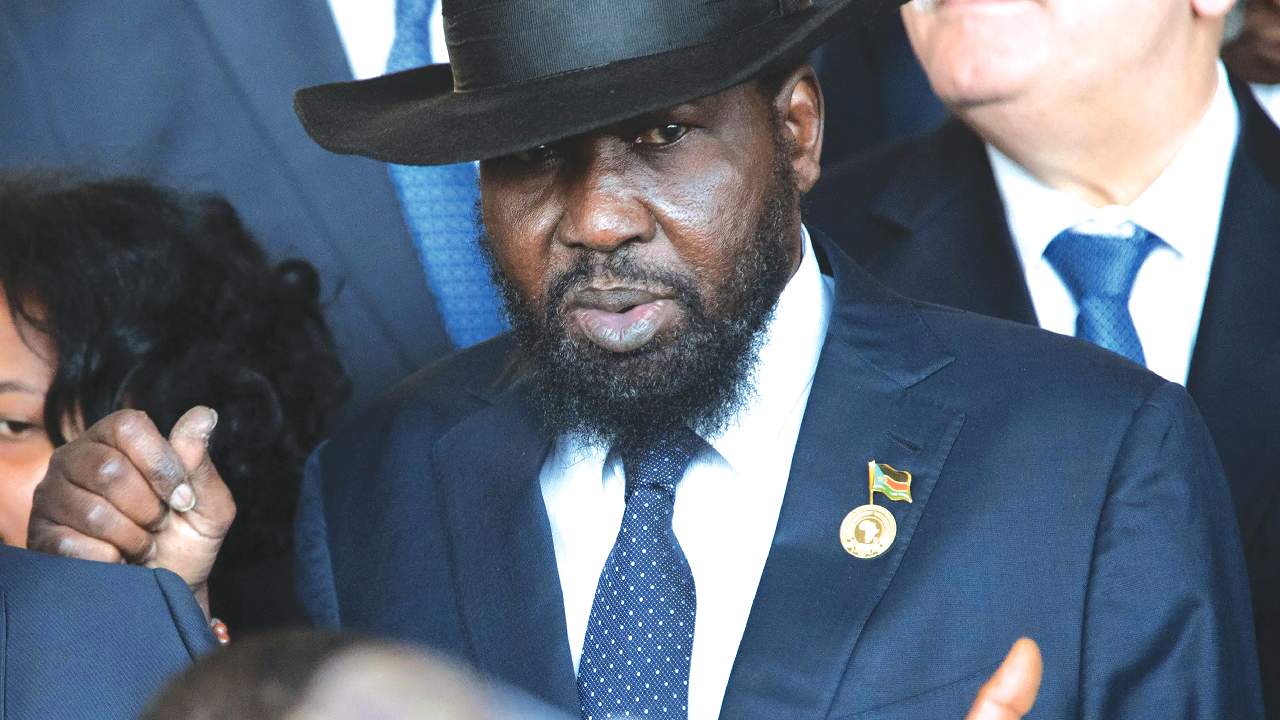
In a televised address, Foreign Affairs Minister James Pitia Morgan accused Washington of “interfering in the internal affairs of a sovereign nation.”
“These sanctions are not about accountability; they are about intimidation,” Morgan said.
“By targeting the very officials tasked with organizing the December 2026 elections, the U.S. is effectively providing an excuse for armed holdout groups to continue their violence. This only creates more instability.”
The relationship between Juba and Washington has hit a new low as the Salva Kiir administration struggles to meet key benchmarks of the peace deal, including the unification of the armed forces and the completion of a permanent constitution.
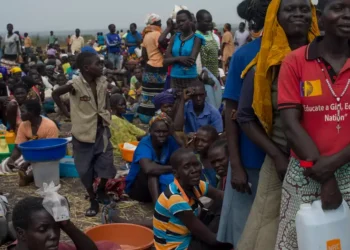
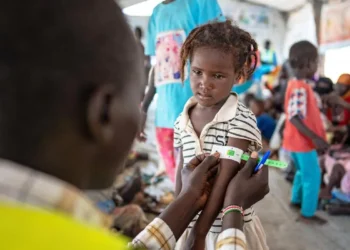
The U.S., which played a pivotal role in South Sudan’s independence in 2011, has grown increasingly frustrated with what it calls a “predatory elite” that has left millions of citizens dependent on international food aid despite the country’s oil wealth.
Human rights organizations in Juba, however, welcomed the sanctions, arguing that corruption is the primary reason the peace deal has stalled. “The people are suffering while the elite are buying property abroad,” said a representative from a local civil society group who spoke on condition of anonymity.
As the 2026 election deadline approaches, Juba appears to be pivoting its diplomacy toward regional allies like Kenya and Ethiopia, as well as China, which remains a primary buyer of South Sudanese crude.
The government has called for an “immediate lifting” of all restrictions to allow for a “peaceful and inclusive” electoral process.