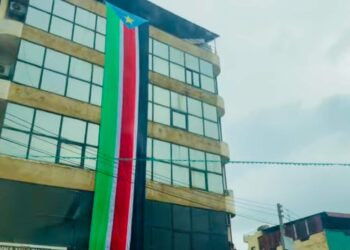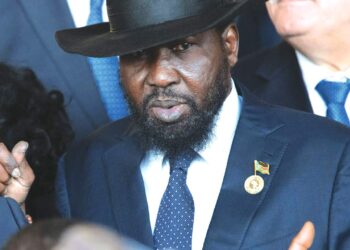











JUBA (AEA) – South Sudan is at a “critical juncture” in its peacebuilding process, according to international diplomats who on Friday underscored the vital role of an independent press in fostering trust between the state and its citizens.
At a dialogue in Juba hosted by the Embassy of Canada, Ambassador Joanne Minns argued that media freedom is not a luxury to be deferred until after peace is achieved, but rather a foundation for it.
“Where journalists can work freely, societies are more resilient,” Minns said. The meeting, which brought together civil society and government representatives, comes as Juba prepares for long-delayed national elections.
The security situation remains fragile. Reports from the border regions indicate that while tribal elders in neighboring Pakistan and Afghanistan have reached localized peace deals,
South Sudan’s own border with Sudan remains a flashpoint for refugee influxes and cross-border skirmishes.
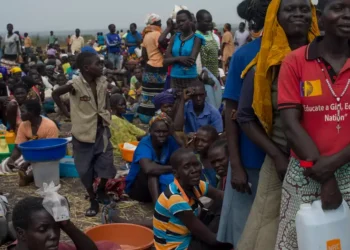
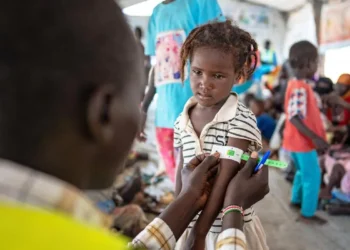
The humanitarian situation is deteriorating, with the UN reporting that funding for the 2026 Response Plan has seen “sharp declines.” This has forced agencies to prioritize only the most vulnerable, leaving thousands of internally displaced persons (IDPs) without consistent aid.
Economically, the South Sudanese Pound continued its volatility against the US dollar, driven by the ongoing disruption of oil exports through war-torn Sudan.
The government is reportedly exploring alternative pipeline routes through Ethiopia and Djibouti, though experts warn such projects are years away from fruition.
Despite these challenges, there was a glimmer of hope in the education sector. The Ministry of General Education announced on Friday a new partnership with regional NGOs to provide “mobile schools” for pastoralist communities, aiming to increase literacy rates among the nation’s youth who are often excluded from traditional classroom settings.