











MOGADISHU (AEA) — Somalia is rapidly approaching a catastrophic hunger crisis due to delayed seasonal rainfall and international funding shortfalls, humanitarian groups warned on Friday. The warning notes that conditions are beginning to mirror the lead-up to the devastating 2020–2023 famine.
The International Rescue Committee (IRC) issued an urgent public warning following the release of new data from the Integrated Food Security Phase Classification (IPC) and the Famine Early Warning Systems Network (FEWS NET).
The metrics indicate a credible and imminent risk of famine emerging in Somalia’s southern Bay and Bakool regions if the current Gu (April-to-June) rains continue to underperform.
The climate shock is aggravated by severe global humanitarian aid cuts. Over the past year, major Western donor nations have scaled back their financial commitments to sub-Saharan African aid budgets, leaving humanitarian actors with a fraction of the capital required to run emergency nutritional pipelines.
“Somalia is once again standing at the precipice of an avoidable tragedy,” said Shashwat Saraf, the IRC’s regional emergency director for East Africa. “Our frontline clinics are already recording a steep rise in cases of severe acute malnutrition among children.
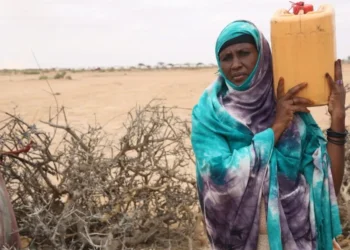
Rains have started unseasonably late, pasture lands are dry, livestock conditions are deteriorating, and basic staple food prices are soaring beyond the reach of ordinary families.”
The crisis is compounded by global inflationary shocks. Rising international fuel, grain, and fertilizer prices have driven up operational costs for humanitarian organizations at the exact moment their funding lines are shrinking.
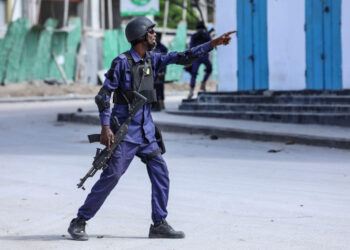
The security environment in Bay and Bakool further complicates relief distributions. The militant insurgent group al-Shabaab retains control over substantial rural swathes of southern Somalia, enforcing blockades on government-held towns and making the overland transport of humanitarian food drops hazardous and expensive.
Local administrators in Baidoa, the capital of the Bay region, reported that thousands of displaced pastoralists have begun migrating into urban camps in search of medical aid and clean water. The influx threatens to overwhelm municipal sanitation infrastructure, raising fears of localized cholera and measles outbreaks.
“We are watching a familiar, tragic script unfold,” said Mohamud Aden, a local humanitarian worker based in Baidoa. “In 2011 and again in recent years, the international community waited until a formal famine declaration was made to release emergency funds.
By then, tens of thousands of people had already died. The warning signs are flashing right now on May 15, 2026. We need direct cash interventions and therapeutic food distribution immediately.”
The United Nations has appealed to regional powers and international partners to prioritize funding for the Horn of Africa’s climate response.
However, with global attention divided across multiple geopolitical crises, Somalia’s humanitarian framework remains critically underfunded, threatening to reverse the modest stabilization gains achieved over the past three years.