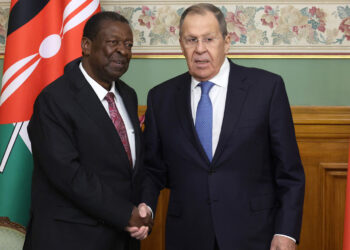










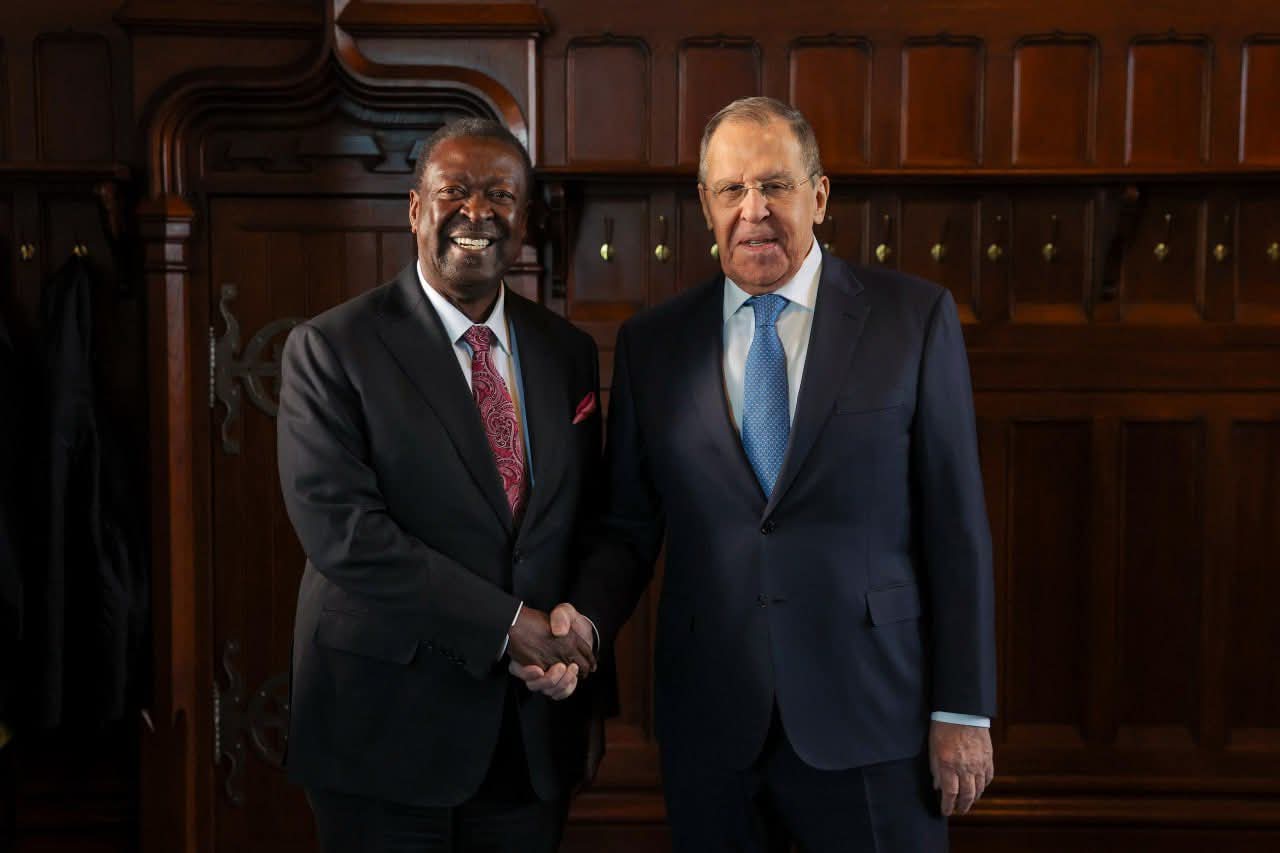
Nairobi — Russia has agreed to stop recruiting Kenyan citizens into its military operations in Ukraine, Kenyan Foreign Minister Musalia Mudavadi said on Monday after talks in Moscow with his Russian counterpart Sergey Lavrov.
Mudavadi said the agreement would end the enlistment of Kenyans through Russia’s defence structures, following mounting concern in Nairobi over reports that citizens had been drawn into the conflict under misleading circumstances.
“We have now agreed that Kenyans shall not be enlisted through the Russian Ministry of Defense,” Mudavadi told reporters on Tuesday.
“They will no longer be eligible to be enlisted. There will be no further enlisting.”
The talks come after a February report by Kenya’s National Intelligence Service (NIS) presented to parliament estimated that more than 1,000 Kenyans had been recruited — far higher than earlier official figures.
Recruitment concerns
According to the NIS findings, recruiters targeted Kenyans with promises of civilian jobs abroad, including roles as electricians, security guards and other skilled positions.
Some were reportedly approached through social media and private employment agencies, with offers of monthly salaries above $2,000 and signing bonuses of up to $6,000.
In one case cited by officials, Kenyan long-distance runner Evans Kibet was allegedly misled into signing a military contract after travelling to Russia for a marathon.
The intelligence report indicated that dozens of Kenyans were already on the front lines, while others had been wounded, gone missing or returned home.
At least one death has been confirmed, according to Kenyan authorities.
Diplomatic balancing act
Lavrov said at a joint press conference that any Kenyans serving in Russian forces had done so voluntarily and in accordance with Russian law, suggesting the issue stemmed from contractual misunderstandings rather than coercion.
Mudavadi, however, said the Kenyan government had faced sustained pressure from families who believe their relatives were misled into joining the conflict.
In response, Nairobi has revoked the licences of more than 600 employment agencies suspected of facilitating recruitment.
Consular access and repatriation
Mudavadi said the two sides had agreed to establish a framework to support Kenyans currently in Russia, including efforts to locate those listed as missing, provide access to wounded individuals in hospitals and assist those seeking to return home.
The arrangements will involve coordination between Kenyan diplomats and Russian authorities, particularly in cases where individuals wish to terminate their military contracts.
Broader implications
The issue of foreign recruits has extended beyond Kenya. Ukrainian estimates suggest that more than 1,700 individuals from dozens of African countries are involved in the conflict.
Kenya’s agreement with Russia could set a precedent for other African governments facing similar concerns, analysts say, as they seek to balance domestic pressure with maintaining diplomatic and economic ties with Moscow.
Mudavadi said Kenya aimed to ensure its broader relationship with Russia — including cooperation in sectors such as agriculture and energy — would not be overshadowed by the recruitment issue.
© All East Africa, all rights reserved