










BUJUMBURA (AEA) – Burundi, frequently cited as one of the world’s poorest nations, is attempting an unlikely digital pivot as the government and private sector look to “fintech” to bypass crumbling physical infrastructure and systemic poverty.
On Thursday, telecommunications giant Lumitel announced a new $10 million expansion of its high-speed internet network, specifically targeted at rural areas.
The project, supported by World Bank-linked partners, aims to provide the backbone for mobile money and digital banking services in regions where traditional banks have never set foot.
The push for financial inclusion comes as Burundi’s macro-economy remains in a state of distress. Inflation is currently hovering above 35%, and external debt exceeds 80% of GDP.
The government’s recent efforts to mend ties with Western donors—resulting in the lifting of U.S. and U.K. sanctions—have brought in more aid, but have also deepened the country’s dependence on external funding.
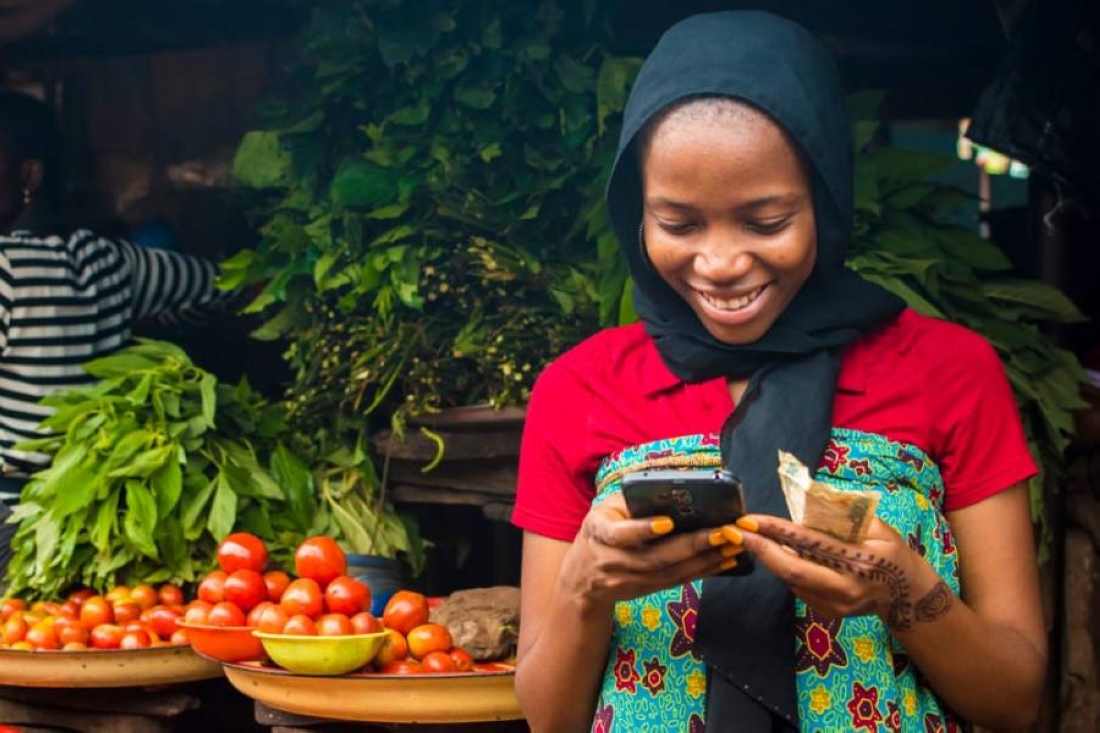
“In a country where most people don’t have a bank account, a smartphone becomes a bank branch,” said Econet Wireless executive Jean-Pierre Nkurunziza.
“We are seeing a slow but steady shift. People are starting to use digital payments for everything from school fees to agricultural supplies.”
However, the “fintech revolution” faces significant headwinds. The political environment remains restrictive, with international human rights groups continuing to report on the suppression of opposition voices and civil society.
This “repressive stability” has made many foreign investors hesitant to commit capital beyond essential telecommunications.
Analysts argue that while technology can improve efficiency, it cannot solve the underlying issues of governance and debt. “You can have the best mobile money app in the world, but if the currency is devaluing at 30% a year, people will still struggle,” said a Bujumbura-based economist.
Still, for the young tech entrepreneurs in the capital, the expansion of the digital grid represents the only viable path forward. Small startups are beginning to emerge at the intersection of microfinance and mobile tech, hoping that Burundi can follow the “M-Pesa model” that transformed neighboring Kenya a decade ago.