









JUBA (AEA) — The South Sudanese government issued a formal rejection on Friday against a fresh wave of United States sanctions and visa restrictions, accusing Washington of mischaracterizing the status of its fragile peace agreement.
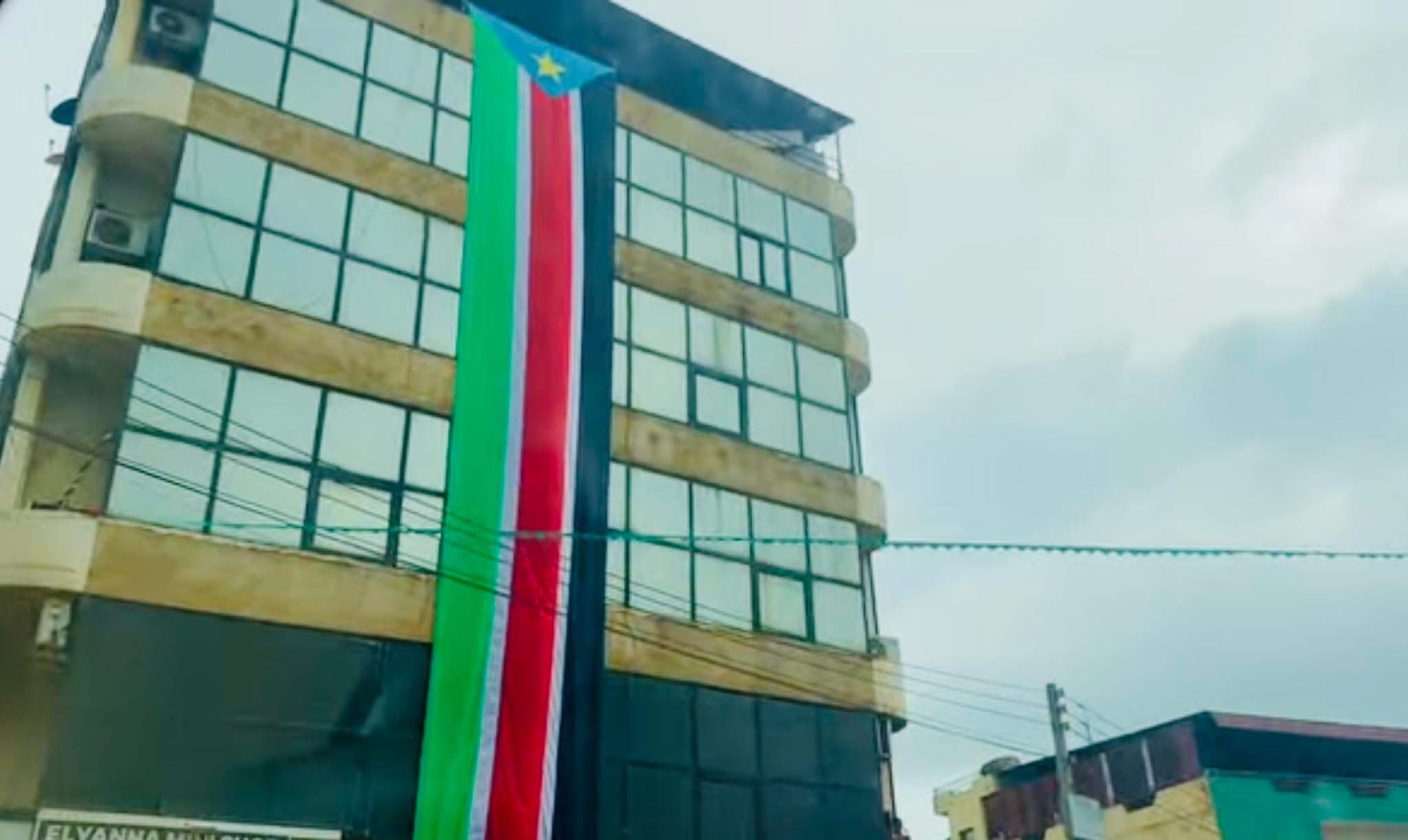
The diplomatic standoff unfolded as South Sudan prepared to mark the 43rd anniversary of the May 16 Revolution, an event celebrating the founding of the Sudan People’s Liberation Army (SPLA) in 1983.
The milestone has sparked widespread national reflection over the unrealized promises of the post-independence era, amidst ongoing economic stagnation and delayed democratic transitions.
The U.S. State Department announced visa restrictions aimed at specific South Sudanese government officials blamed for stalling the implementation of the Revitalized Agreement on the Resolution of the Conflict in South Sudan (R-ARCSS). Additionally,
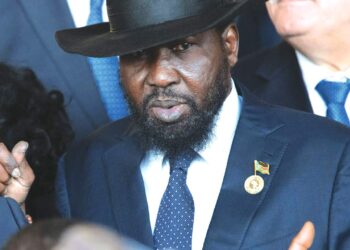
Washington leveled financial sanctions against Crawford Capital Ltd, a private digital revenue collection firm operating in South Sudan. The U.S. alleged that the company had been used by politically connected individuals, including members of President Salva Kiir’s family, to siphon millions of dollars from the national treasury.
In a sharply worded response, South Sudan’s Ministry of Foreign Affairs and International Cooperation stated it “received with grave concern” the unilateral measures imposed by Washington.
“The government denounces the continuous mischaracterization of our domestic peace process,” the ministry’s statement read. “Instead of resorting to punitive measures that undermine sovereign institutions, we urge our international partners to engage constructively with the parties to the agreement to support the upcoming national elections and ensure a peaceful democratic transition.”
Under U.S. law, visa records are confidential, leaving the specific identities of the sanctioned officials undisclosed to the public. However, the financial blacklisting of Crawford Capital Ltd hits at the heart of Juba’s fiscal management systems, which have long faced international criticism regarding transparency and accountability.
The timing of the sanctions coincided with political friction in Juba. On Friday, the South Sudanese Parliament stripped two lawmakers of their legislative immunity following allegations of forging President Salva Kiir’s signature on official documentation.
Concurrently, public anxiety remained high as police issued a comprehensive ban on fireworks ahead of the SPLA Day celebrations, citing heightened security vulnerabilities and the risk of public panic.
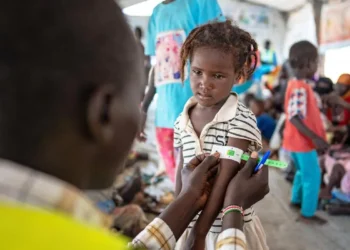
The broader humanitarian context compounding South Sudan’s political paralysis is bleak. A joint statement issued Friday by the UN Food and Agriculture Organization (FAO), the World Food Programme (WFP), and UNICEF warned that the ongoing conflict in neighboring Sudan has driven regional food insecurity to catastrophic levels.
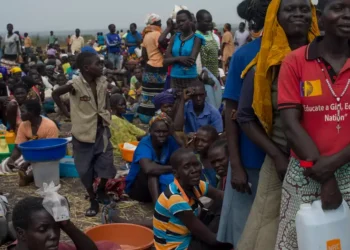
Nearly 19.5 million people across the region face acute food crisis conditions, with hundreds of thousands of fleeing refugees crossing into South Sudan’s northern borders, overwhelming local resources.
As South Sudanese citizens observe SPLA Day, public discourse remains divided. While the ruling elites emphasize liberation achievements, civil society groups highlight that more than a decade after independence, ordinary citizens continue to endure systemic corruption, insecurity, and an economy on the brink of collapse.