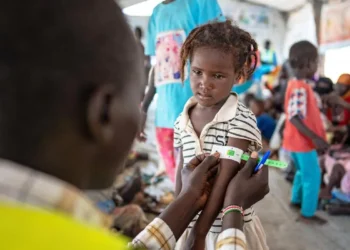











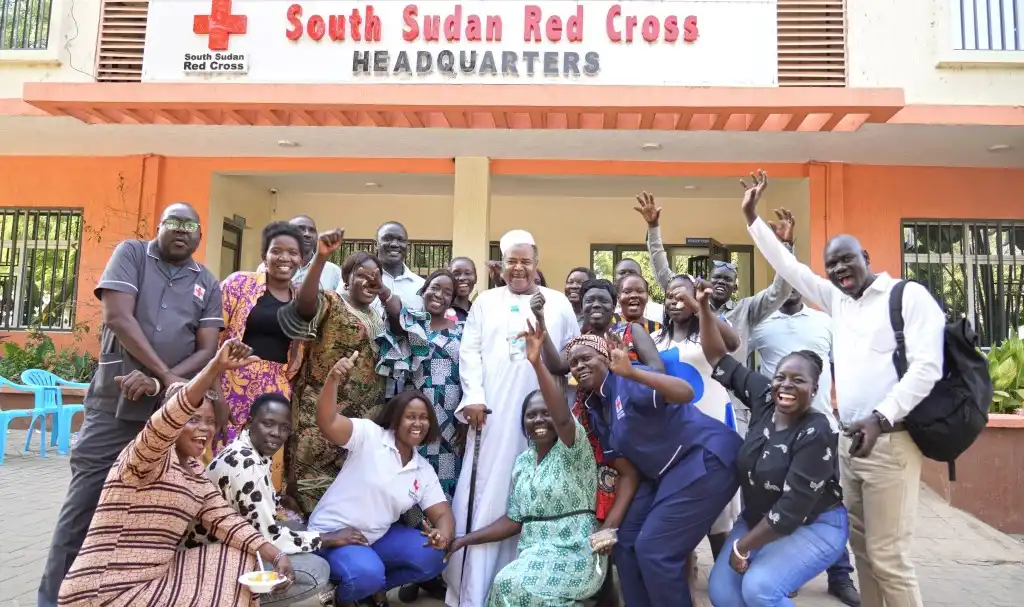
JUBA — A joint report released Saturday by the South Sudan Red Cross and international partners painted a grim picture of a nation bucking under the weight of “relentless conflict,” climate shocks, and a massive influx of refugees from neighboring Sudan.
The News Release, issued by the SSRC, IFRC, and ICRC, detailed how the humanitarian needs in South Sudan have reached a tipping point. In the last year alone, more than 500,000 people were internally displaced by localized violence and flooding.
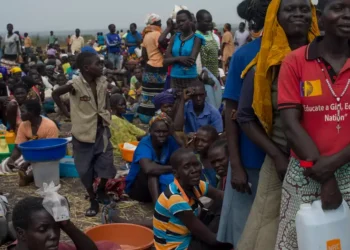
Compounding this is the arrival of over 1.3 million returnees and refugees fleeing the ongoing war in Sudan.
“This persistent crisis has eroded community resilience and shattered essential services,” said John Lobor, Secretary General of the SSRC.
“Millions are left uncertain where their next meal will come from.”
The report highlighted a disturbing rise in sexual violence and a lack of medical care for those wounded in intercommunal fighting. Despite the clarification of 340 missing person cases, 541 new cases were documented this year, highlighting the chaotic nature of the displacement.
In Juba, the government has struggled to provide a safety net, hampered by a “struggling economy and political instability,” according to the joint statement. The RCRC Movement issued an urgent plea to all warring factions to uphold international humanitarian law and allow safe passage for aid workers.
“The world’s attention has shifted, but the suffering here is intensifying,” an ICRC field coordinator told AEA. “We are seeing the highest number of conflict-related disabilities in a decade.”
The crisis is further exacerbated by the “flooded wetlands” which have cut off entire communities from terrestrial aid routes, forcing expensive and limited air drops. As the rainy season approaches, aid agencies warn that without a significant surge in international funding and a cessation of local hostilities, the country faces a catastrophic hunger gap in the coming months.