











Mogadishu — Somalia’s transition toward its first direct “one-person-one-vote” election in over 50 years is facing a critical deadlock, as regional states and opposition leaders accuse President Hassan Sheikh Mohamud of a “power grab” through unilateral constitutional reforms.
Parliamentary and presidential polls are scheduled for May 2026, but the infrastructure for universal suffrage—including a comprehensive voter registry, remains largely nonexistent.
The Federal Government of Somalia has pushed through amendments to centralize executive power, a move that has alienated the powerful Federal Member States (FMS), particularly Puntland and Jubaland.
“Pursuing universal suffrage without political consent or security guarantees risks fragmenting the state,” warned Afyare Abdi Elmi, a prominent Somali political analyst.
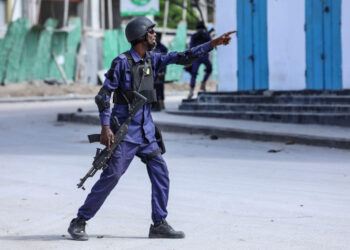
The political infighting comes at a precarious time for security. Despite a massive offensive against al-Shabaab in 2025, the militant group has regained territory in central Somalia and continues to launch deadly IED attacks in the capital.
International partners, including the African Union, are urging a return to a “refined indirect model” to ensure the 2026 transition remains peaceful, fearing that a contested election could lead to a total collapse of the federal framework.