










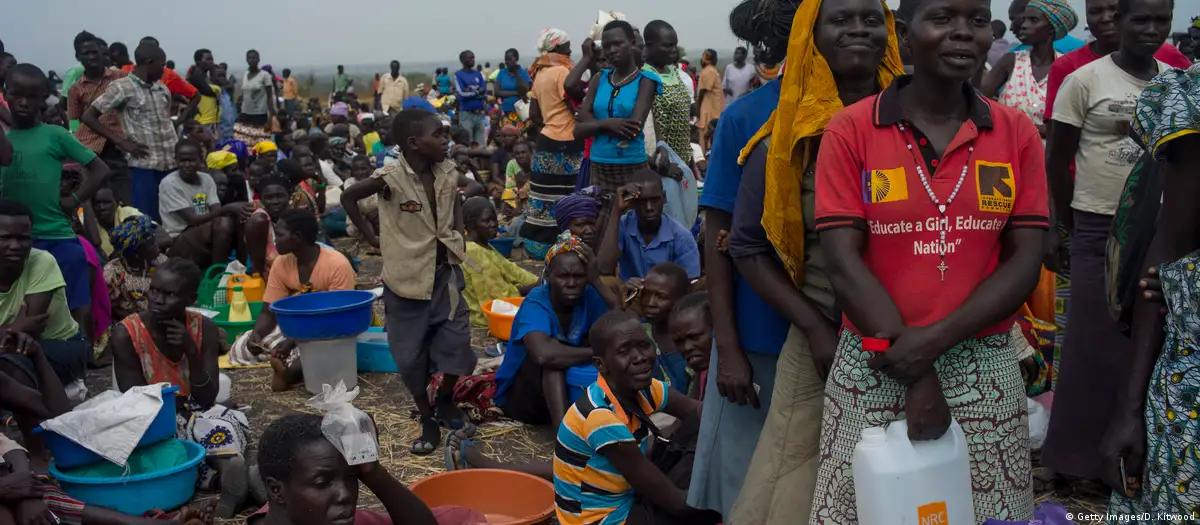
JUBA (AEA) – South Sudan is teetering on the edge of a humanitarian and political collapse as renewed ethnic violence in Jonglei State has displaced 200,000 people, just as the nation’s top leaders enter a bitter stalemate over the feasibility of 2026 elections.
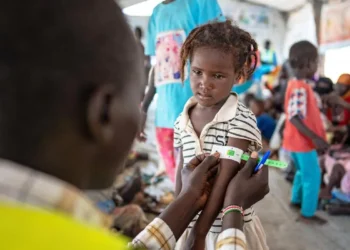
The International Rescue Committee (IRC) issued a “red alert” on Wednesday, warning that Akobo County is now experiencing IPC Phase 5—catastrophic levels of hunger. The displacement began late last week when heavily armed youth militias launched coordinated raids on villages, burning granaries and looting cattle.
“The scale of the suffering in Akobo is beyond the capacity of current humanitarian response,” an IRC field director said.
“We are seeing families eating wild leaves and crossing the border into Ethiopia with nothing but the clothes on their backs. The hospital in Akobo has been looted, leaving a population of 150,000 with no access to basic surgery or trauma care.”
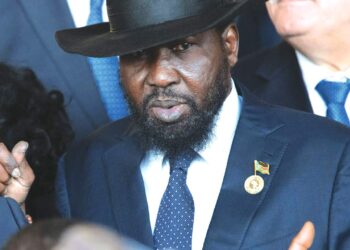
While the violence rages in the periphery, the political class in Juba is consumed by a debate over the national elections scheduled for December. President Salva Kiir’s camp insists the polls must go ahead to “end the transitional period,” while First Vice President Riek Machar and various civil society groups argue that the country is not ready.
The lack of a unified army, an uncompleted permanent constitution, and the mass displacement of voters are cited as insurmountable barriers.
“Holding an election in these conditions is not a democratic exercise; it is an invitation to more civil war,” said Dr. Sokiri Lojuan Lojökudu, a constitutional lawyer in Juba.
The international community, led by the United States, Britain, and Norway (the Troika), has withheld funding for the electoral process, demanding that Juba first demonstrate “genuine political will” to implement the 2018 peace deal.
However, the government in Juba remains defiant, accusing the West of interference.
The economic situation has further exacerbated the crisis. The ongoing civil war in neighboring Sudan has disrupted South Sudan’s oil exports—the source of 95% of its revenue—leaving civil servants, including soldiers, unpaid for months.
This lack of pay has led to increased desertions and the proliferation of “freelance” militias, further destabilizing regions like Jonglei.
As the humanitarian community calls for an immediate $1.8 billion in emergency funding, the political window for a peaceful transition is closing. Without a breakthrough in the Juba deadlock and a surge in aid to the Akobo region, South Sudan risks repeating the catastrophic cycles of violence that have defined its short, turbulent history.