









KAMPALA – Uganda’s Court of Appeal has struck down a central piece of the country’s Computer Misuse Act, ruling that its provisions against “offensive communication” are unconstitutionally vague and serve to stifle legitimate political dissent.
The ruling is a major blow to President Yoweri Museveni’s administration, which has frequently used the law to arrest activists, journalists, and opposition figures who criticize the government on social media.
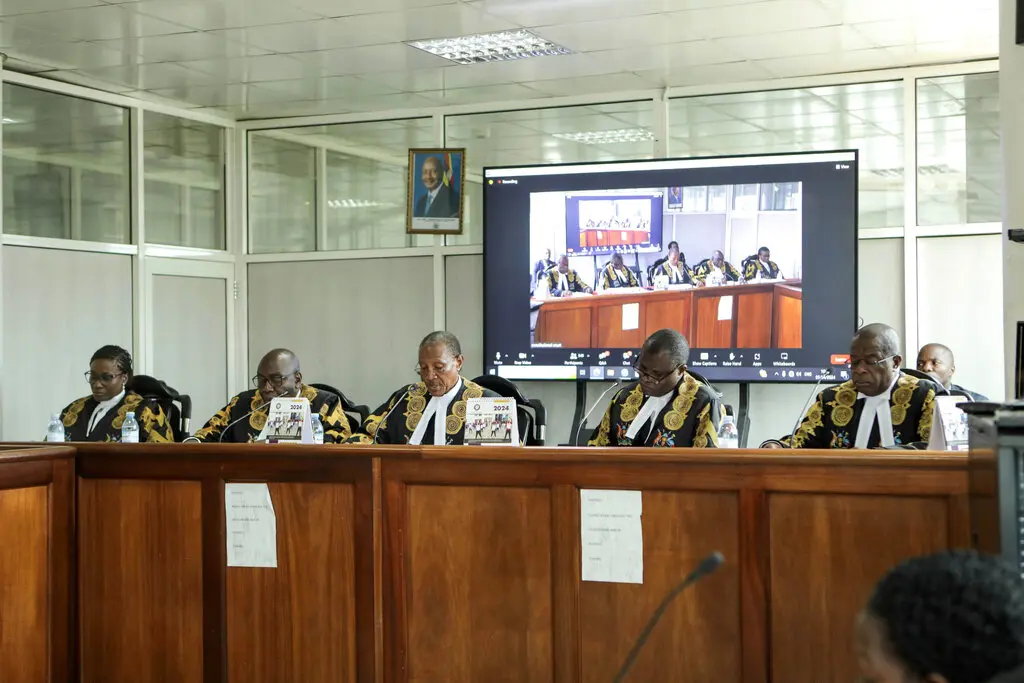
In a unanimous decision, the five-judge panel led by Justice Kakuru ruled that the law’s broad definitions of “malicious information” and “cyber harassment” created a “chilling effect” on the freedom of expression.
“The state cannot criminalize the use of words simply because they are uncomfortable or offensive to those in power,” the judgment read.
Digital rights advocates in Kampala celebrated the move as a “second independence” for the country’s online space. “This law was a noose around the neck of every Ugandan with a smartphone,” said Isaac Ssemakadde, a prominent human rights lawyer.
The government has indicated it may appeal to the Supreme Court. State attorneys argued during the hearings that the law was a necessary tool to prevent the spread of misinformation and to protect the privacy of citizens in an increasingly digital society.
The ruling comes amid heightened political tension following the January elections. Critics of the government say the legal victory is significant but warn that security agencies still possess other tools, including broad “public order” laws, to suppress opposition activity.
© All East Africa, all rights reserved