










KIGALI (AEA) – Rwanda maintained a high state of alert on Thursday as regional instability and a renewed international travel advisory highlighted the persistent security challenges facing the “Land of a Thousand Hills.”
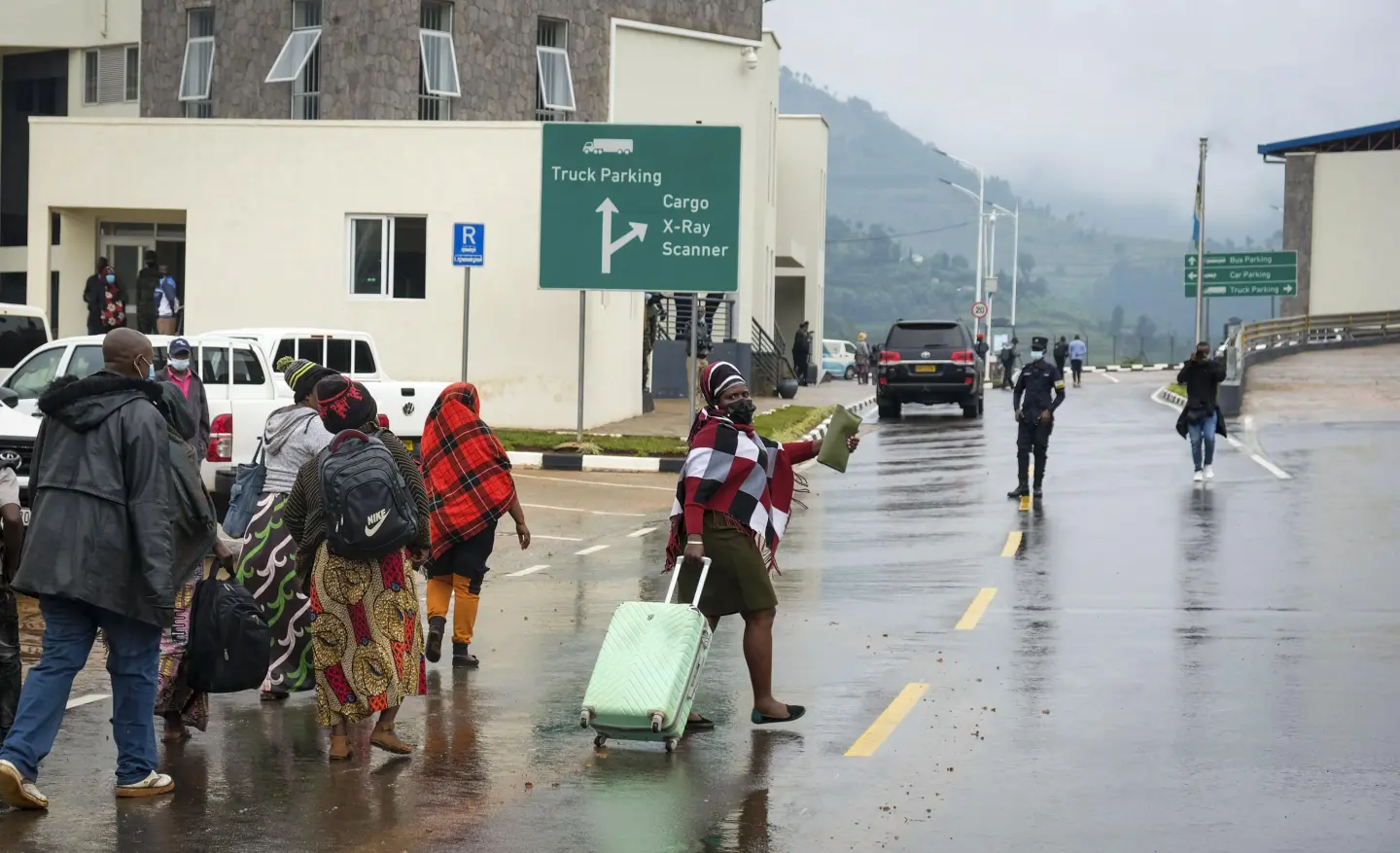
The U.S. State Department updated its travel advisory for Rwanda this week, urging “increased caution” and citing a Level 4 “Do Not Travel” warning for districts bordering the Democratic Republic of the Congo (DRC).
The advisory pointed to the ongoing clashes between various armed groups and military forces in North and South Kivu provinces, warning that violence could spill into Rwanda without warning.
Kigali has consistently denied allegations of involvement in the DRC conflict, instead accusing Kinshasa of harboring genocidal remnants who pose an existential threat to Rwanda.
The resulting border tensions have disrupted trade and created a climate of uncertainty in the otherwise rapidly developing border towns of Rubavu and Musanze.
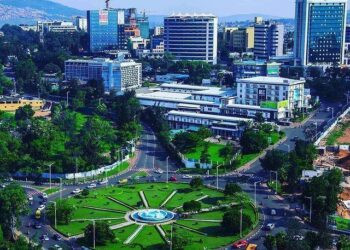
“Security is the foundation of the Rwandan brand,” said a local business leader in Kigali. “When there are advisories like this, it affects tourism and investment, even if the capital itself remains one of the safest cities in Africa.”
Domestically, the government is also grappling with a slight uptick in reported petty and violent crime in urban centers, a rare occurrence in a country known for its strict law and order.
Authorities have responded with increased patrols and a “community policing” push to maintain the country’s reputation as a safe haven for international business.
Despite these shadows, Rwanda continues to push its ambitious economic agenda. Kigali recently hosted several high-level delegations focused on green energy and pharmaceutical manufacturing. The government is betting that its “clean and efficient” governance model will continue to attract capital, even as the neighborhood remains volatile.
“Rwanda is an island of order in a very turbulent sea,” noted a regional security analyst. “The challenge for President Kagame’s administration in 2026 is ensuring that the sea doesn’t breach the dikes.
The border with the DRC is the most dangerous fault line in Africa right now, and how Rwanda manages it will define the country’s trajectory for the rest of the decade.”