









By Judy Maina
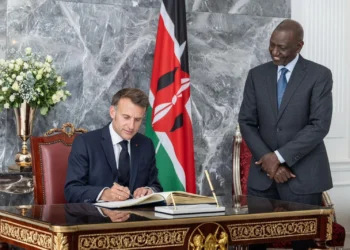
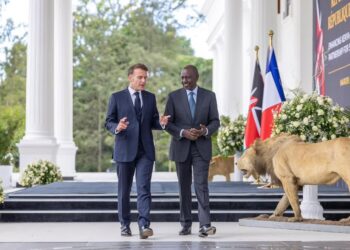
NAIROBI — Kenya positioned itself as the diplomatic and environmental heartbeat of the continent on Tuesday, as President William Ruto hosted more than 30 African heads of state for the final day of the Africa Forward Summit while simultaneously launching a sweeping overhaul of the nation’s healthcare labor framework.
The dual developments in Nairobi underscore a pivotal moment for East Africa’s largest economy, which is attempting to balance a leading role in global climate geopolitics with pressing domestic demands for improved public services.
The Green Industrial Vision
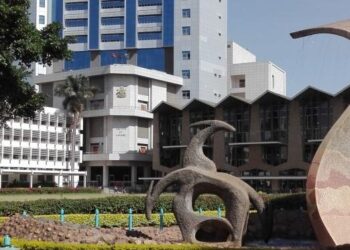
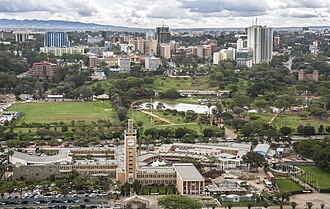
At the Kenyatta International Convention Centre (KICC), the atmosphere was one of high-stakes diplomacy.
The summit, themed “Partnerships for Innovation and Growth,” saw Kenyan officials and continental leaders like Ethiopia’s Prime Minister Abiy Ahmed call for a “tectonic shift” in how Africa interacts with global capital.
“We are no longer just a continent of potential; we are a continent of solutions,” President Ruto told a plenary session focused on sustainable finance.
“The transition to green industrialization is not an option for Kenya—it is our competitive advantage.”
Discussions on Tuesday centered on the Blue Economy and digital infrastructure. Delegates argued that for Kenya to maintain its status as a regional gateway, it must de-risk investments in renewable energy and green hotels to support a tourism sector that remains a cornerstone of the national GDP.
The summit concluded with a framework agreement aimed at mobilizing private capital for “climate-smart” infrastructure, a move analysts say is crucial as Kenya seeks to manage its significant external debt while funding development.
Healthcare Overhaul
Away from the high-level plenaries, Health Cabinet Secretary Aden Duale presided over the grand finale of International Nurses Week, where he unveiled a series of policy frameworks designed to address long-standing grievances in the medical sector.
The new “Nurses and Midwives Recognition and Awards Scheme” is more than a ceremonial gesture; it is part of a broader strategic pivot to curb “brain drain” in the healthcare sector. Duale announced:
Strategic Deployment: New mandates to ensure underserved rural areas receive specialized nursing staff.
Professional Training: Enhanced funding for continuous learning and specialization.
Welfare Enhancements: A commitment to work with county governments to harmonize pay scales and career progression paths.
“Our nurses are the backbone of Universal Health Coverage,” Duale said. “We cannot achieve the 2030 health goals if those on the front lines feel undervalued or unsupported.”
The move comes at a sensitive time, as Kenyan healthcare workers have frequently threatened industrial action over staffing shortages and delayed salaries at the county level. By linking nurse welfare to the broader national development agenda, the government hopes to stabilize a sector that is vital for social stability.
Regional Gravity
The week’s events have solidified Nairobi’s reputation as the “Brussels of Africa.” With the Kasarani Gymnasium hosting cultural concerts and the University of Nairobi holding academic symposiums alongside the summit, the city’s infrastructure was pushed to its limits, highlighting both the successes and the bottlenecks of Kenya’s rapid urbanization.
As the sun set over the Nairobi National Park—where several delegates took late-afternoon excursions—the message from the Kenyan capital was clear: the country is betting its future on being the indispensable intermediary between global green capital and African industrial ambition.