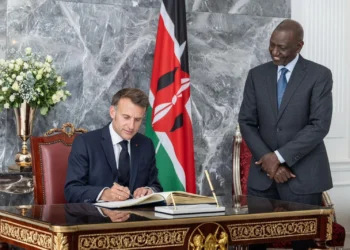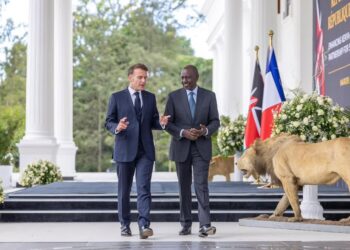












NAIROBI — President William Ruto and French President Emmanuel Macron finalized a Sh12.5 billion ($92 million) agreement on Monday to overhaul the Nairobi Commuter Rail system, marking a significant milestone in Kenya’s infrastructure modernization.
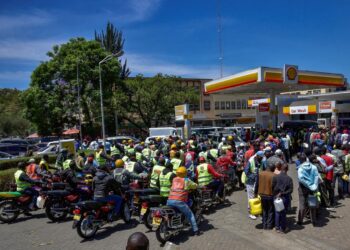
However, the diplomatic triumph was shadowed by a nationwide strike by digital taxi drivers protesting skyrocketing fuel prices.
The rail agreement, signed at State House Nairobi, is the centerpiece of 11 economic instruments established between the two nations during the Africa Forward Summit 2026. The funding is earmarked for the rehabilitation of existing lines and the acquisition of modern rolling stock to ease congestion in the capital.
“This partnership with France is a testament to our commitment to sustainable urban mobility,” President Ruto said during a joint press briefing.
“The expansion of the Nairobi Commuter Rail will provide a dignified, reliable, and affordable transport alternative for millions of our citizens.”
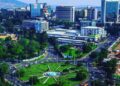
While the leaders discussed high-level economics, the streets of Nairobi told a different story. Hundreds of drivers from ride-hailing platforms including Uber and Bolt grounded their vehicles, citing a “cost-of-living crisis” fueled by recent tax hikes.
The strike comes as the government confirmed it has secured a Sh120 billion road loan by leveraging future fuel levy funds—a move critics argue will keep pump prices high for years to come.
Tensions also rose in the legislative halls as Parliament issued a formal notice for public participation on the Finance Bill 2026.
The bill includes controversial proposals to tax imported mobile phones and second-hand clothes (mitumba), a move the treasury says is necessary to narrow the budget deficit but which civil society groups warn will hit the poorest Kenyans hardest.
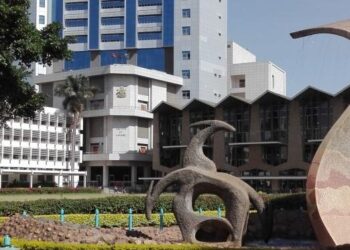
Adding to the day’s diplomatic activity, United Nations Secretary-General António Guterres joined President Ruto to commission a $340 million expansion of the UN Office at Nairobi (UNON).
The project aims to cement Nairobi’s status as the “environmental capital of the world,” though the resulting road closures for the summit caused gridlock across the city.