









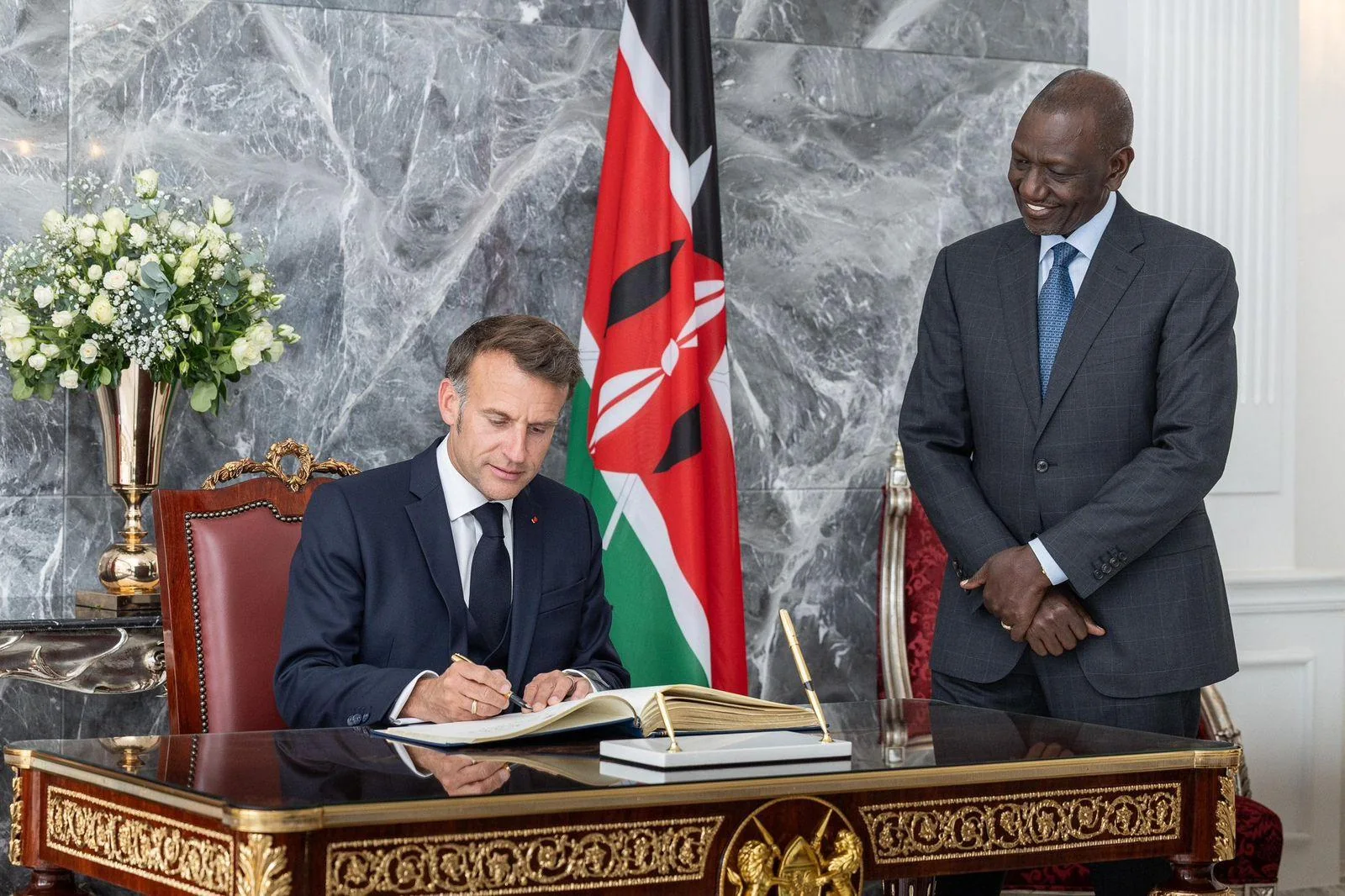
NAIROBI (AEA) – Kenya and France on Wednesday signed a series of landmark investment deals valued at over $11 billion, signaling a strategic pivot in East Africa’s economic landscape toward green industrialization and carbon-neutral infrastructure.
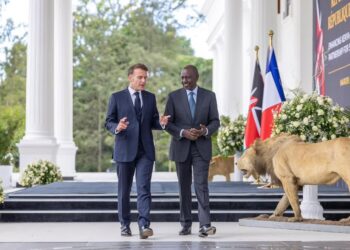
The agreements, unveiled during the “Africa Forward Summit” in Nairobi, were headlined by President William Ruto and French President Emmanuel Macron.
The centerpiece of the package is a joint venture between Kenya Airways and French energy major Rubis Energy to establish Africa’s first large-scale Sustainable Aviation Fuel (SAF) refinery.
The project, expected to be operational by late 2028, aims to produce 32,000 metric tons of biofuel annually from agricultural waste, positioning Nairobi as a critical hub for the decarbonization of global aviation.
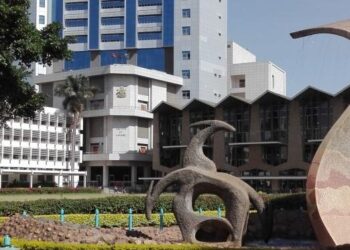
“Africa is not just a victim of the climate crisis; we are the laboratory for its solution,” President Ruto told a plenary of global CEOs and multilateral lenders at the Kenyatta International Convention Centre. “Today’s commitments demonstrate that when the cost of capital is addressed, African innovation can outpace global averages in the transition to renewables.”
The summit comes at a time when Kenya is aggressively seeking to de-risk its economy from traditional debt by attracting foreign direct investment (FDI) in the energy sector.
For President Macron, the visit serves as a recalibration of French influence in East Africa, moving away from a traditional focus on Francophone West Africa toward the continent’s most dynamic English-speaking markets.
Beyond aviation, TotalEnergies committed $400 million toward clean cooking initiatives. This project aims to distribute liquefied petroleum gas (LPG) and electric cooking appliances to five million households across East Africa by 2030, a move intended to curb the environmental and respiratory toll of charcoal and firewood use.
However, the “green” enthusiasm was tempered by a sober debate on the global financial architecture.
Dr. Sidi Ould Tah, President of the African Development Bank Group, noted that while Kenya’s geothermal and wind resources are world-class, the “Africa risk premium”—high interest rates imposed by international lenders—remains a barrier.
To address this, the summit officially endorsed the New African Financial Architecture for Development (NAFAD). This pan-African guarantee mechanism is designed to provide “first-loss” protection for institutional investors, effectively lowering interest rates for infrastructure projects.
For the Nairobi government, the success of this summit is a political lifeline. Ruto has faced domestic pressure over the rising cost of living and a heavy tax burden.
By securing multi-billion dollar private sector commitments, the administration hopes to create high-value manufacturing jobs and stabilize the Kenyan Shilling through increased exports of green hydrogen and refined biofuels.
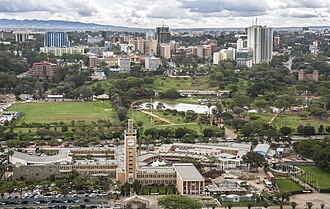
As the sun set over the Nairobi skyline—now increasingly punctuated by the cranes of French-funded infrastructure projects—the message from the summit was clear: Kenya is no longer just seeking aid; it is bidding for a seat at the table of the new global energy economy.