











DODOMA (AEA) — Tanzania unveiled an ambitious 334 billion Tanzanian shilling ($2.5 billion) budget for its tourism and natural resources sector on Friday, staking its long-term economic growth on an aggressive strategy to leverage the 2027 Africa Cup of Nations (AFCON) tournament.
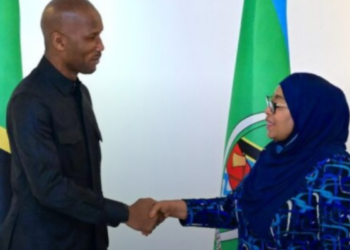
Presenting the ministry’s financial estimates to Parliament in Dodoma, the Minister for Natural Resources and Tourism, Dr. Ashatu Kijaji, outlined a sweeping plan designed to position the East African nation as a premier global destination for sports and ecological tourism.
Tanzania will co-host the continental football showpiece in 2027 alongside its East African Community partners, Kenya and Uganda, marking the first time the prestigious tournament moves to the region.
“The 2027 AFCON is not merely a sporting tournament; it is an unprecedented multi-billion-dollar commercial gateway,” Kijaji informed lawmakers.
“Our budgetary allocations are explicitly structured to build international hospitality infrastructure, enhance conservation protocols, and execute a global marketing campaign that converts football enthusiasts into long-term eco-tourists.”
The proposed budget allocates significant capital toward upgrading infrastructure within Tanzania’s vast network of protected lands. The ministry directly oversees approximately 307,800 square kilometers of conservation territory, representing 32.5% of the country’s total land area.
This includes 21 national parks, the Ngorongoro Conservation Area, 29 game reserves, and 465 distinct forest reserves.
A key component of the strategy is structural modernization. Concurrently, telecom operator Airtel Tanzania announced an expanded partnership with Chinese tech giant Huawei to overhaul the country’s digital network stability.
The telecom modernization aims to ensure seamless digital connectivity and financial technology transactions for the expected influx of international visitors during the tournament cycles.
Tanzania’s economy relies heavily on tourism as a primary driver of hard foreign currency. The sector’s post-pandemic recovery has been robust, but economic planners argue that traditional safari packages must be diversified through high-profile events to compete with southern and northern African destinations.
However, the ambitious state project faces parliamentary scrutiny regarding resource distribution. Several lawmakers expressed concerns over balancing commercial tourism development with environmental protection and local community rights, particularly in sensitive zones like Ngorongoro and Loliondo, where land-use disputes between state conservationists and indigenous Maasai pastoralists have drawn international attention.
“We must ensure that the revenues projected from events like AFCON directly benefit the communities living on the fringes of these national parks,” argued opposition Member of Parliament Freeman Mbowe. “Infrastructure cannot just mean luxury lodges and airport tarmac; it must mean clean water, rural roads, and healthcare clinics for our citizens.”
Kijaji defended the budget, stating that a substantial percentage of the revenue generated through the tourism marketing push would be channeled into local government authorities for community-directed development projects. She emphasized that the expansion of digital networks via the Airtel-Huawei agreement would bridge the digital divide for rural populations residing near major park boundaries.
International tourism consultants note that co-hosting an event as large as AFCON requires flawless cross-border coordination. Tanzania, Kenya, and Uganda must synchronize visa protocols, flight connectivity, and health security measures to maximize regional economic integration. As the budget moves to the final voting stage, the Samia Suluhu Hassan administration is determined to use sports diplomacy to elevate Tanzania’s macroeconomic standing on the global stage.