









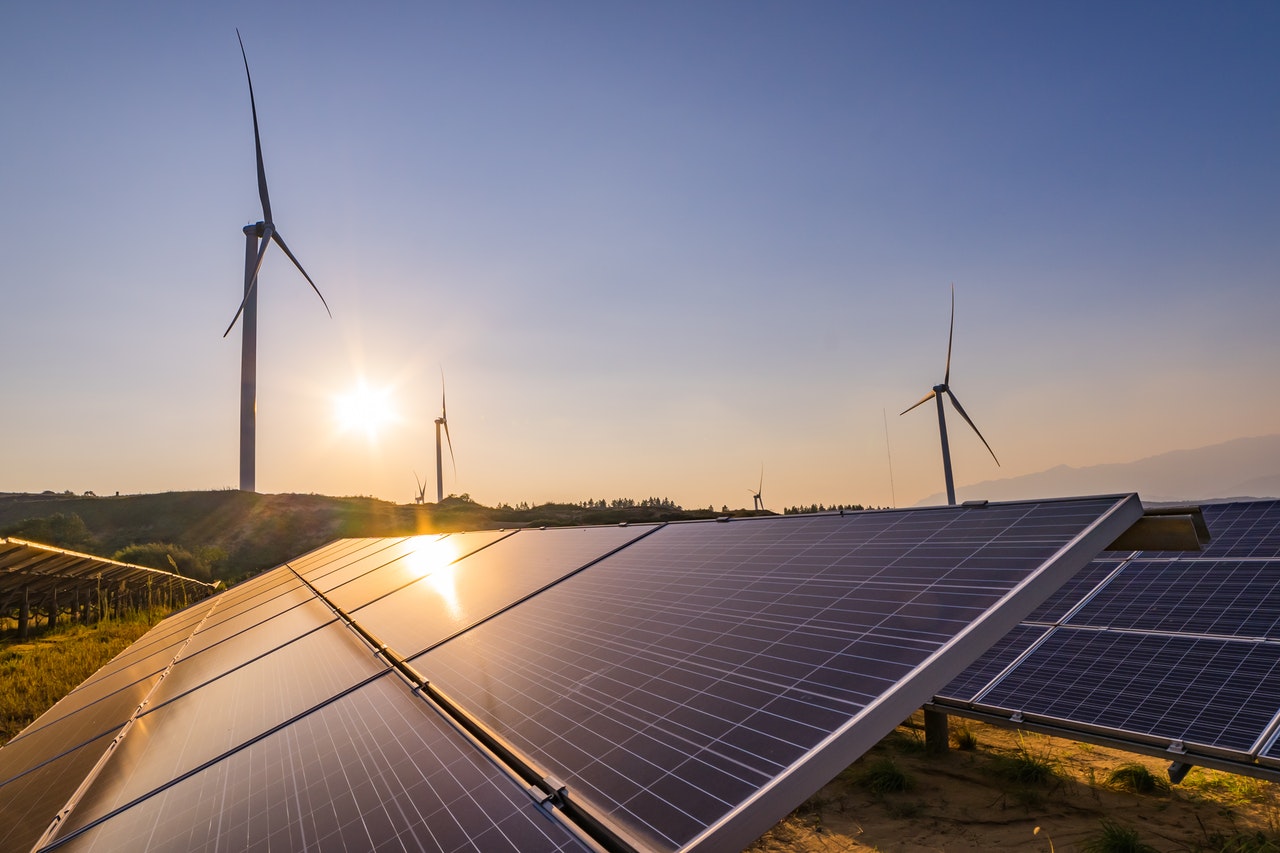
DAR ES SALAAM (AEA) — Tanzania is positioning itself as a regional leader in the “green transition” after unveiling a $2.85 billion investment pipeline focused on renewable energy and the blue economy, officials said Thursday.
The Tanzania Investment Growth Facility (TIGF), a joint venture between the government and the United Nations Development Programme (UNDP), announced that 60 high-impact projects will be presented to international financiers at an upcoming summit in Arusha.
The projects include offshore wind farms in the Indian Ocean, solar irrigation systems for the central plains, and modernized eco-tourism facilities in the Zanzibar archipelago.
“Tanzania has moved beyond the ‘potential’ phase,” said a spokesperson for the Ministry of Investment.
“We have de-risked these projects through rigorous auditing and regulatory reform. We are presenting a ready-to-fund portfolio that aligns with global ESG (Environmental, Social, and Governance) standards.”
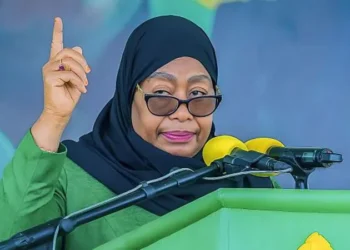
Under President Samia Suluhu Hassan, Tanzania has embarked on a series of market-friendly reforms designed to reverse the isolationist policies of her predecessor. The “R4” strategy—Reconciliation, Resilience, Reforms, and Rebuilding—has become the centerpiece of Dar es Salaam’s economic diplomacy.
This latest investment push is seen as the ultimate test of whether these reforms can attract long-term, sustainable capital.
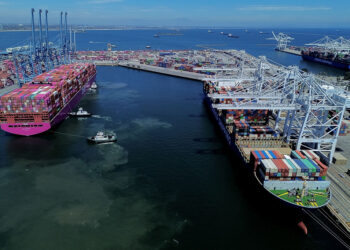
The blue economy, specifically, is a high priority. Tanzania seeks to leverage its long coastline to develop sustainable fisheries and carbon-credit programs. However, regional analysts warn that infrastructure gaps and a lingering “trust deficit” among some foreign investors could slow the pace of capital inflow.
“The numbers are ambitious,” noted Elias Mwangi, a regional economist specializing in the EAC.
“But Tanzania’s advantage right now is its relative political stability compared to its neighbors. If they can provide clear guarantees on profit repatriation and land rights, the $2 billion target is achievable.”
The summit, scheduled for early June, is expected to attract delegates from the World Bank, the African Development Bank, and private equity firms from the Middle East and Europe.