











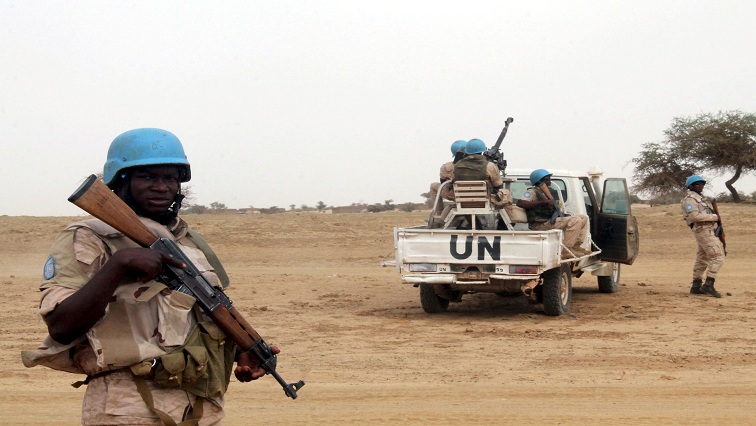
ADDIS ABABA (AEA) — Leaders from the African Union (AU), the United Nations, and the French government concluded a landmark diplomatic session in Addis Ababa on Thursday, finalizing a roadmap to fund African-led peace operations through UN-assessed contributions.
The agreement breathes life into UN Security Council Resolution 2719, a framework long-sought by African nations to provide “predictable and sustainable” financing for security missions in hotspots like the Sahel, Somalia, and eastern DR Congo.
AU Commission Chairperson Mahmoud Ali Youssouf, UN Secretary-General António Guterres, and French President Emmanuel Macron led the discussions.
“For too long, African peacekeepers have been expected to do more with less,” Chairperson Youssouf said.
“This agreement ensures that when the AU steps in to stabilize a region, the financial burden is shared by the international community. This is a win for African sovereignty and global security.”
The meeting comes at a time of heightened regional anxiety. The civil war in Sudan continues to pour refugees across Ethiopia’s borders, while the ongoing transition of the ATMIS mission in Somalia remains underfunded.
The new roadmap proposes that the UN cover up to 75% of costs for authorized AU missions, with the remaining 25% coming from the AU’s own Peace Fund and voluntary contributions.
President Macron, representing a major European voice in the Sahel, emphasized that “security in Africa is directly linked to the stability of Europe.” He also pledged French support for an upcoming donor conference in Paris designed to attract private-sector investment for African reconstruction projects.
Critics of the deal, however, point to the stringent UN oversight requirements that come with the funding. Some AU member states are concerned that “UN-assessed contributions” will lead to UN control over African military strategy.
“The devil is in the details of the oversight,” said an Addis-based diplomat who attended the closed-door sessions.
“The AU wants the money, but it doesn’t want the New York bureaucracy that usually follows it. Balancing these two will be the challenge of the next twelve months.”