










JUBA— The United States on Tuesday imposed a fresh wave of sanctions on South Sudanese entities and individuals, including a firm linked to the President’s daughter, accusing the transitional government of “willful obstruction” of peace and siphoning funds as the country nears a return to “all-out war.”
The move by the U.S. State Department marks a significant escalation in pressure on President Salva Kiir’s administration, which has repeatedly delayed the implementation of the 2018 Revitalized Peace Agreement.
The “Crawford” Connection
The centerpiece of the sanctions is Crawford Capital Ltd., a company the State Department alleges has been used to divert foreign assistance and siphoned public funds. Investigative reports cited by Washington link the firm to Adut Salva Kiir, daughter of the President.
“While the people of South Sudan face the risk of famine, a small elite continues to loot the nation’s resources,” said U.S. State Department spokesperson Thomas Pigott.
In addition to the company, several high-ranking members of the transitional government were hit with visa restrictions.
Military Escalation in Jonglei
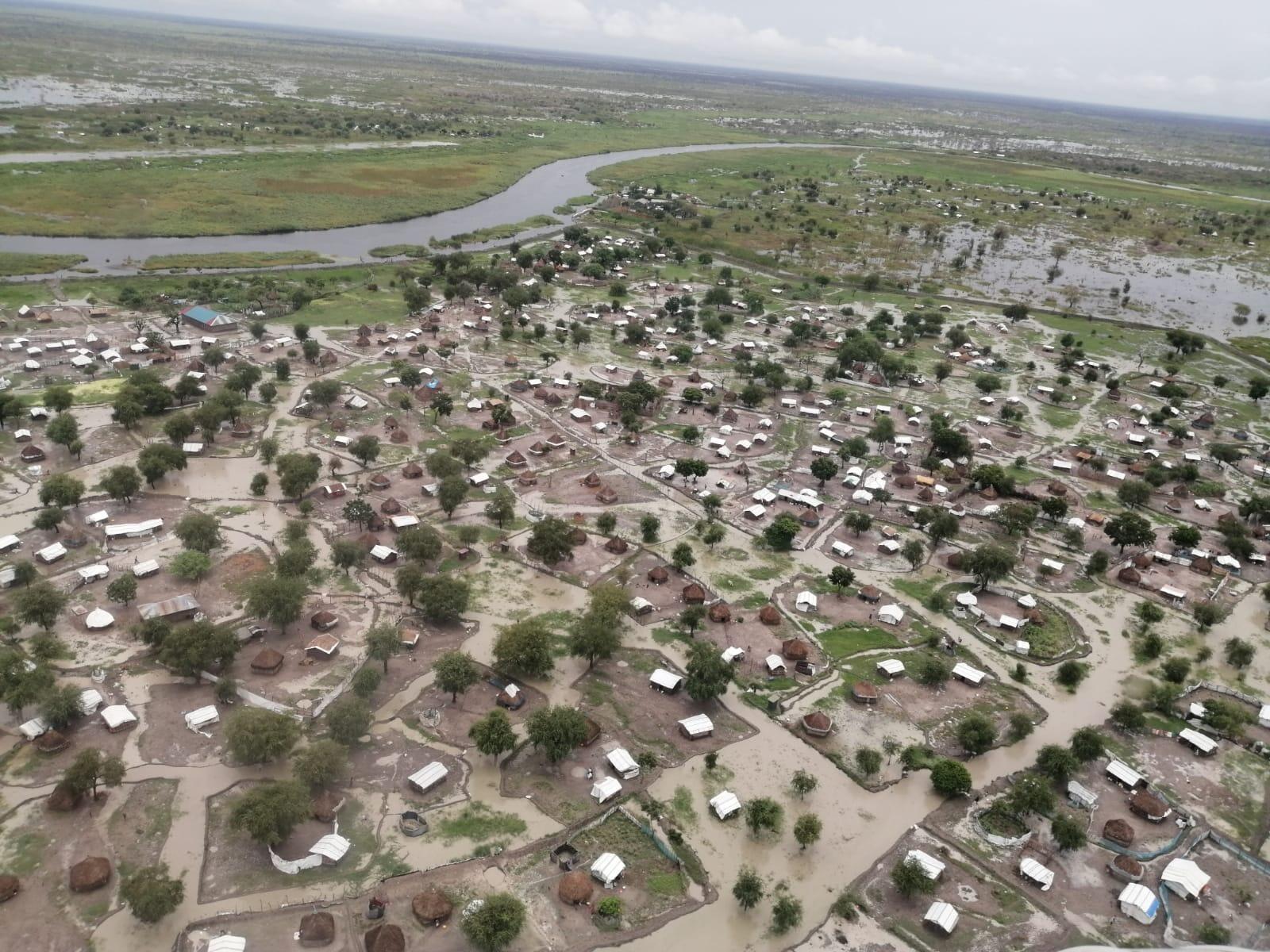
The U.S. statement also condemned the South Sudan People’s Defense Forces (SSPDF) for recent military operations in northern Jonglei State. According to humanitarian agencies, these operations have displaced an estimated 300,000 people in just the last month.
The displacement has exacerbated an already dire humanitarian crisis. With the rainy season approaching, aid workers warn that the lack of access to northern Jonglei could lead to catastrophic levels of hunger. “We are seeing the weaponization of starvation,” said one NGO director in Juba.
Government Response
The South Sudanese government has yet to issue a formal rebuttal, though past sanctions have been dismissed by Juba as “unjust interference” in sovereign affairs.
Sources within the presidency suggest that the government views these measures as a Western attempt to dictate the terms of the long-delayed national elections.
The 2018 peace deal was supposed to culminate in elections, but constant bickering over security arrangements and census data has pushed the timeline back multiple times. With this latest diplomatic rupture, the prospects for a peaceful, democratic transition in 2026 appear increasingly slim.