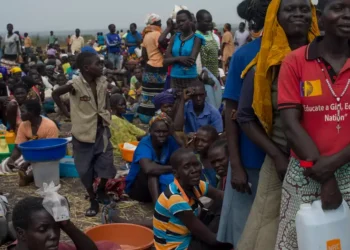











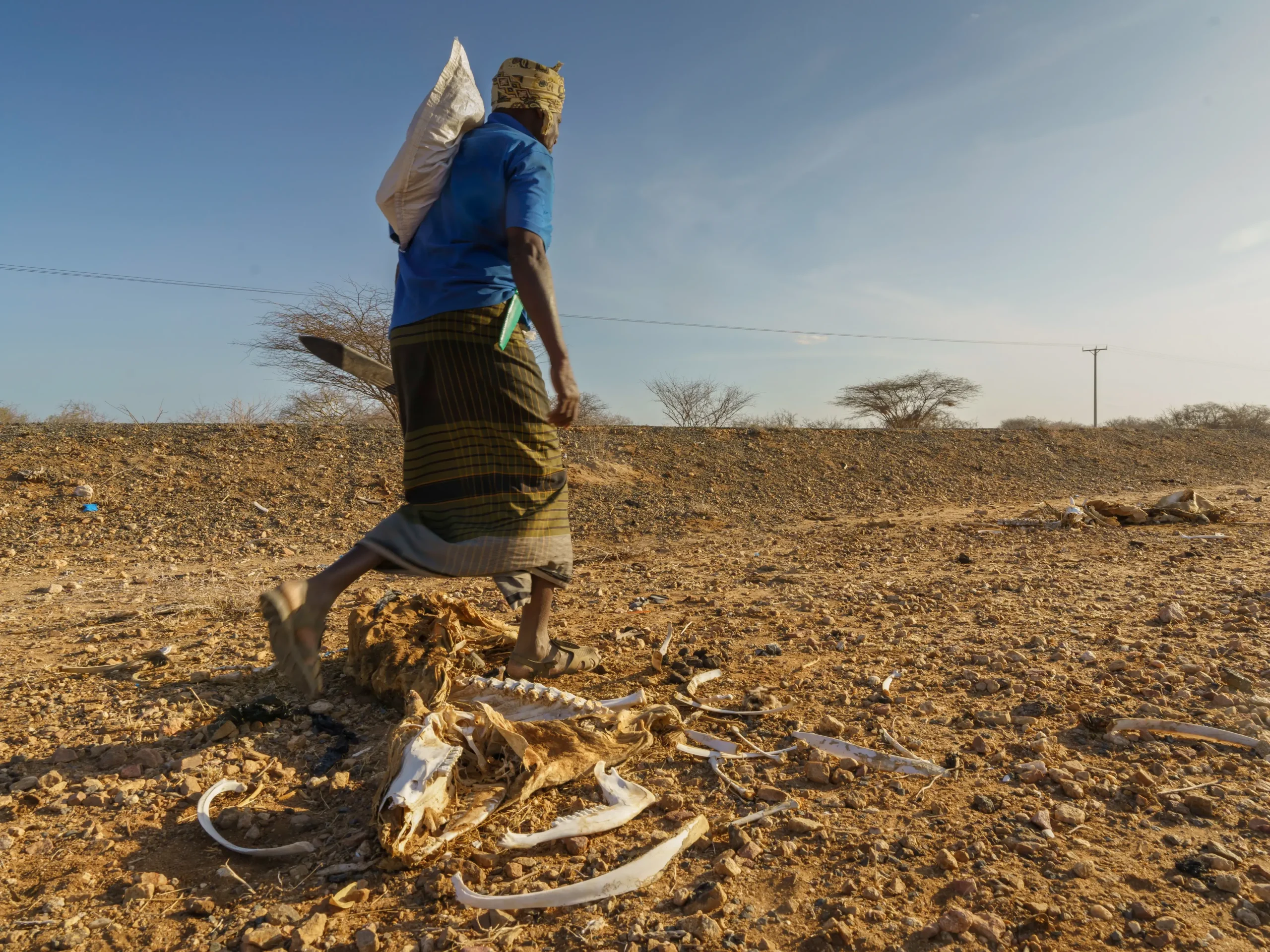
JUBA, South Sudan – More than half of South Sudan’s population is facing “catastrophic” levels of food insecurity, according to a joint report by United Nations agencies released Wednesday.
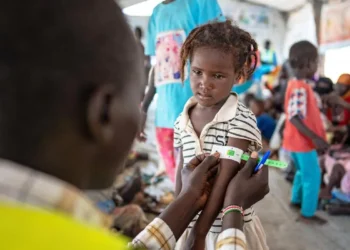
The Integrated Food Security Phase Classification (IPC) report, compiled by the FAO, WFP, and UNICEF, estimates that 7.8 million people—roughly 56% of the population—will experience high levels of acute hunger between now and July.
The data reveals a 160% increase in the number of people classified under Phase 5 (Catastrophe), the most severe level of food insecurity, reaching over 73,000 individuals. Another 2.5 million people are in the Phase 4 (Emergency) category.
“This crisis is a perfect storm of escalating conflict, mass displacement, and climate shocks,” the agencies said in a joint statement. “Below-normal agricultural production has combined with economic decline to put basic food out of reach for millions.”
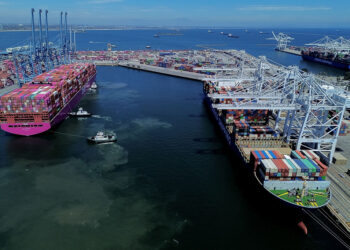
South Sudan’s economy has been battered by the disruption of oil exports through neighboring Sudan, where a parallel conflict has hindered pipeline maintenance. The resulting loss of revenue has sent the local currency into a tailspin, doubling the price of imported staples in Juba’s markets over the last quarter.
Humanitarian workers warned that funding gaps remain a critical barrier, noting that aid packages are currently being prioritized only for those at the immediate brink of starvation.