










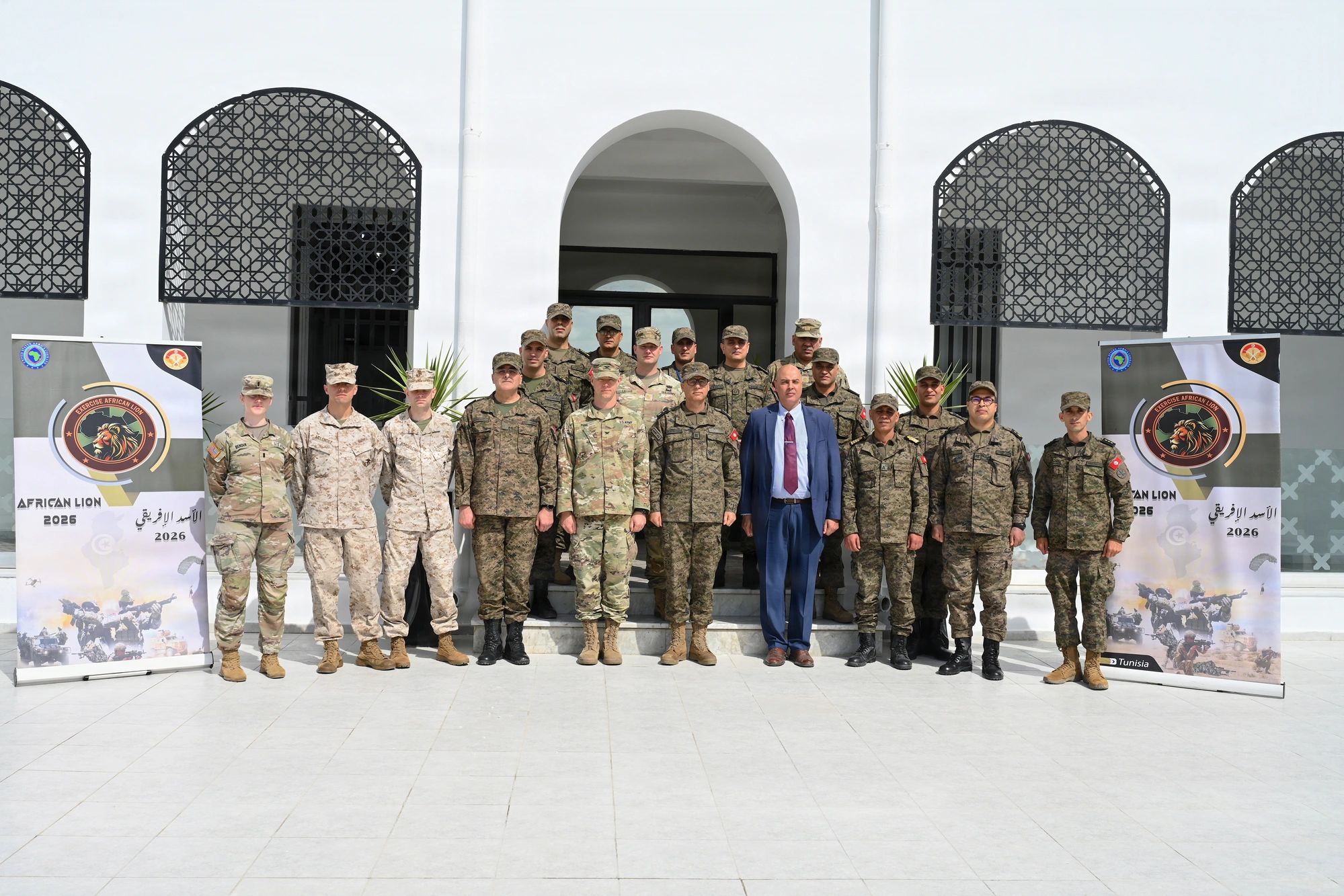
DJIBOUTI CITY (AEA) – The tiny but strategically vital nation of Djibouti solidified its role as a regional security hub on Friday as the “African Lion 2026” military exercises moved into their final phase, emphasizing counter-terrorism and maritime safety.
The exercises, co-led by the U.S. Army Southern European Task Force, Africa (SETAF-AF), involve over 5,600 personnel from 40 nations.
While hosted across North and West Africa, Djibouti serves as a critical coordination point for the Horn of Africa component. Forensic experts and tactical units have been sharing intelligence aimed at preventing extremist threats from crossing the Red Sea.
“Innovation is driving our partner-led regional security,” a U.S. military spokesperson said.
The focus this year has been on “theater forensics,” using DNA and biometric data to track insurgent movements across porous borders.
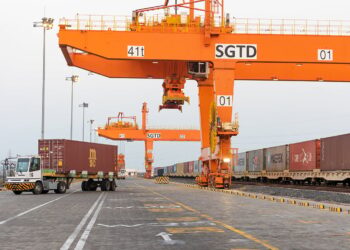
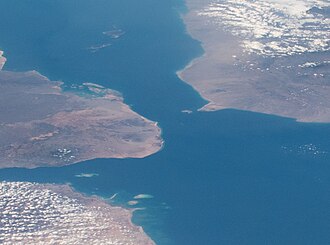
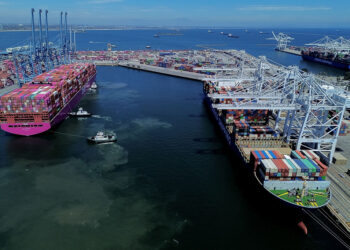
Djibouti’s economy, heavily dependent on its port facilities, is also bracing for changes. The government announced on Friday new investments in “green port” technology, aiming to reduce the carbon footprint of the thousands of vessels that transit the Bab al-Mandab Strait every year.
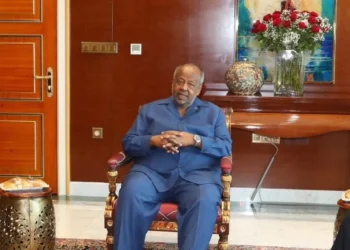
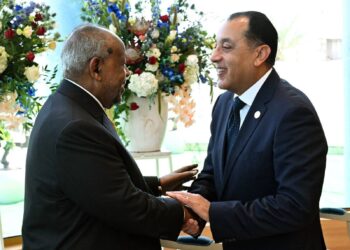
Diplomatically, President Ismail Omar Guelleh held a closed-door meeting with representatives from the Intergovernmental Authority on Development (IGAD) to discuss the ongoing conflict in Sudan.
Djibouti remains a primary mediator in the crisis, advocating for a permanent ceasefire and the establishment of humanitarian corridors.
On the local front, the Ministry of Health launched a nationwide vaccination drive against a resurgent strain of cholera that has affected coastal communities.
The campaign is being supported by the World Health Organization (WHO) and aims to reach 200,000 people by the end of the month.