










DJIBOUTI CITY – Following President Ismail Omar Guelleh’s recent win for a sixth term, Djibouti has pivoted its focus to the escalating security crisis in the Red Sea and the Gulf of Aden.
On Monday, maritime security reports confirmed a rise in piracy incidents off the coast of neighboring Somalia, with at least four vessels hijacked in recent weeks.
Djibouti, which hosts military bases for the United States, China, France, and Japan, has become the central nervous system for international counter-piracy efforts.
“Our geography is our oil,” Guelleh recently stated, emphasizing that Djibouti’s economic survival is inextricably linked to the safety of the Bab el-Mandeb strait.
The resurgence of piracy, combined with regional tensions involving Iran and the ongoing conflict in Sudan, has placed Djibouti at a geopolitical crossroads.
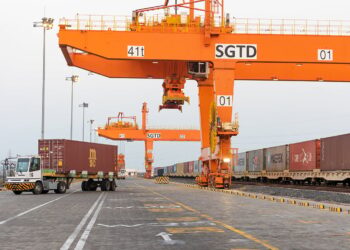
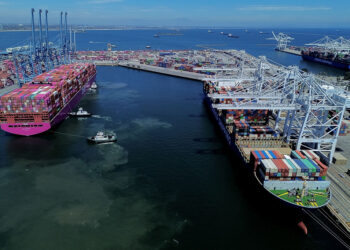
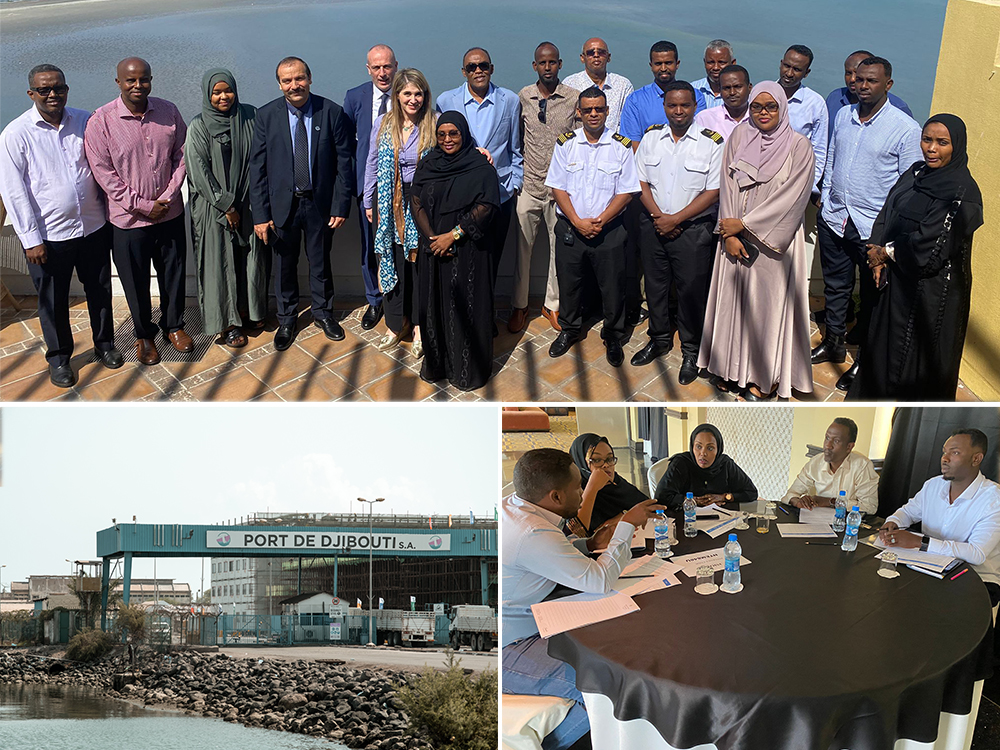
The government is currently lobbying for increased international investment in its port infrastructure while simultaneously managing a humanitarian crisis as migrants from the Horn continue to risk the “Eastern Route” toward the Arabian Peninsula.
Despite the stability of Guelleh’s long-standing rule, the country faces internal pressure to translate its “base-lease” revenues into broader social development, as high unemployment remains a persistent challenge for the small but strategically vital nation.