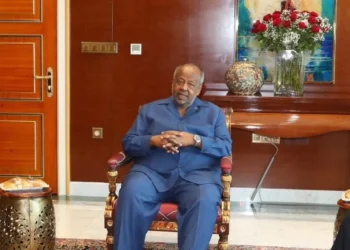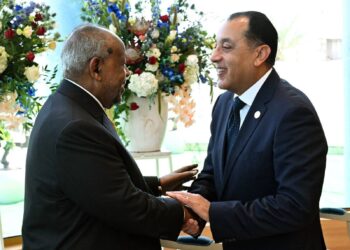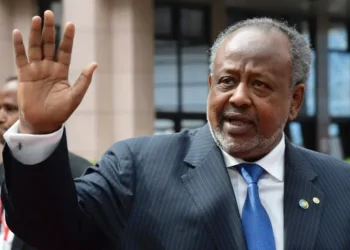












DJIBOUTI CITY — President Ismaïl Omar Guelleh has begun his sixth term in office following a landslide victory in which he secured 97.81% of the vote. On Monday, supporters continued to celebrate at the presidential palace, while international observers noted the peaceful, if uncontested, nature of the polls.
Guelleh, 78, who has ruled the strategic Horn of Africa nation since 1999, faced only one challenger—a former ruling party member.
The main opposition groups boycotted the election, citing a lack of political freedom and the removal of presidential age limits last year.
“The people have spoken with a clear voice for stability and continuity,” a government spokesperson said.
“Djibouti remains a beacon of peace in a turbulent region.”
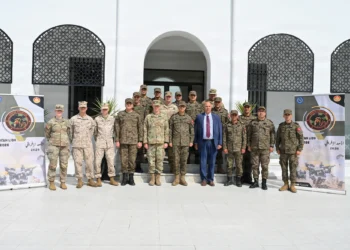
The country’s strategic importance remains its greatest asset. Djibouti continues to host military bases for the United States, China, France, and Japan, generating significant rental income.
However, the government faces pressure to diversify an economy that is heavily dependent on port services and foreign military presence.
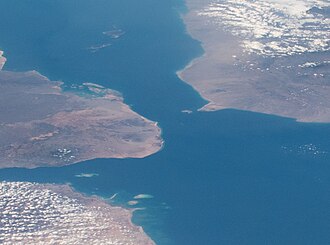
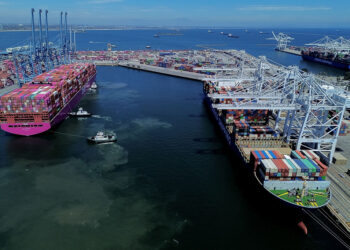
While the election was the dominant local story, the regional crisis in the Red Sea has hit Djibouti’s logistics sector. Tensions in the Strait of Hormuz and the Gulf of Aden have led to increased insurance premiums for shipping, threatening the volume of cargo passing through Djibouti’s modern container terminals.