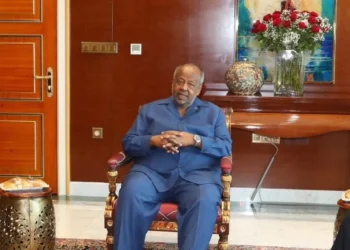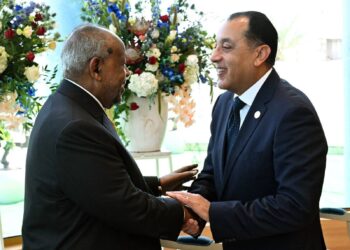











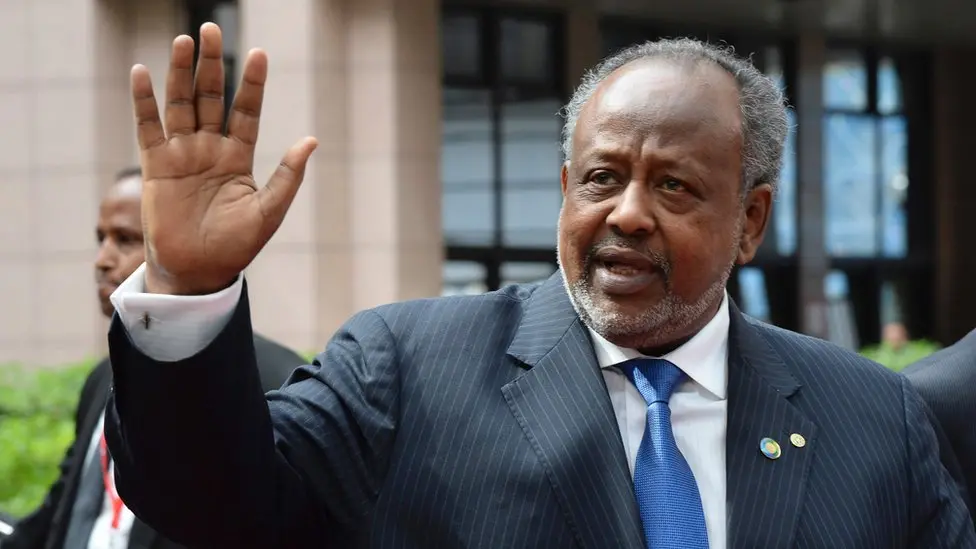
DJIBOUTI CITY, (AEA) – As Djibouti marks the midpoint of 2026, the tiny but strategically vital nation is facing its most significant political crossroads since independence: the impending departure of President Ismaïl Omar Guelleh.
While Guelleh has officially reiterated his intention to step down this year, the lack of a clear, publicly anointed successor has fueled intense speculation within the capital.
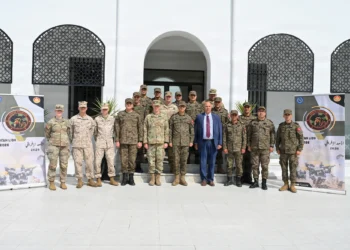
On Thursday, government sources indicated that any transition would be “carefully managed” to ensure that the country’s lucrative role as a host for foreign military bases—including those of the U.S., China, and France—remains undisturbed.
“Djibouti’s stability is its primary export,” said a senior diplomat in the city. “The ruling UMP coalition is focused on continuity. They know that any sign of internal fracture could spook the foreign powers that provide the bulk of the state’s revenue.”
The transition comes at a time of heightened regional risk. The ongoing Afar-Issa ethnic tensions and the instability in Ethiopia’s Sitti Zone have created a constant threat of spillover.
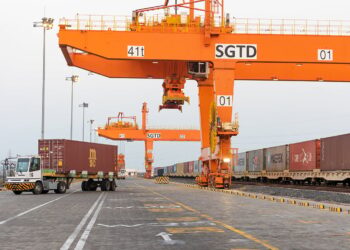
Furthermore, Ethiopia’s recent efforts to diversify its port access through Somaliland have threatened Djibouti’s long-standing monopoly on Ethiopian transit trade.
To counter these pressures, the Djibouti government is doubling down on its “Vision 2035” plan, which aims to make the country the first in Africa to be powered 100% by renewable energy.
Major investments in geothermal and wind power are being framed as a way to lower the cost of living and reduce the country’s massive debt burden, much of which is owed to China.
“The next leader of Djibouti will inherit a world-class logistics hub but also a fiscal time bomb,” said an IMF consultant who recently visited the city.
“The debt-service moratoriums have provided temporary relief, but the long-term sustainability of the ‘Djibouti Model’ depends on diversifying the economy beyond port fees and military rents.”
As the year progresses, the focus will remain on whether the Guelleh transition will be a seamless handoff to a preferred candidate or if it will open the door to the kind of political competition the country has not seen in decades.