










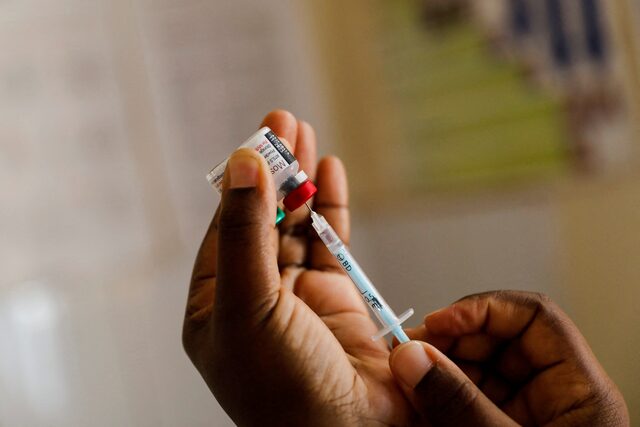
KIRINYAGA, Kenya – The Kenyan government has launched a strategic expansion of its national malaria program, shifting focus toward localized elimination after a decade of progress that saw national prevalence rates drop significantly.
Principal Secretary for Public Health Mary Muthoni, speaking Wednesday at the World Malaria Day 2026 commemorations in Kirinyaga County, announced that malaria prevalence in Kenya has fallen from 8% in 2015 to 6% in 2025. This 31% reduction in incidence over the last three years has emboldened health officials to pivot toward a county-led eradication model.
“Elimination efforts must be anchored at the county level,” Muthoni told a gathering of health officials and residents. “Counties are now the primary drivers of implementation, accountability, and resource allocation.”
To safeguard these gains against drug-resistant strains, the Ministry of Health has officially adopted Multi-First-Line Therapy (MFT). The strategy involves using multiple drug combinations simultaneously across different regions to prevent parasites from adapting to any single treatment.
The government’s “Now We Can, Now We Must” campaign follows the distribution of 14.6 million long-lasting insecticidal nets and a surge in indoor residual spraying, which officials say now covers 95% of targeted high-risk households.
Despite the optimism, climate change remains a persistent threat, with unseasonable flooding in parts of the Lake Victoria region creating new breeding grounds for mosquitoes.
However, Muthoni emphasized that community-based diagnosis and treatment programs are being scaled up to ensure that rural outbreaks are contained before they can trigger wider epidemics.